

There is a specific, quiet moment every PC gamer knows. You unbox that shiny new 1440p monitor—maybe a 165Hz panel still wrapped in plastic—and then you stare at a browser tab open to fifty different incompatible components. You are wondering if you really have the patience to spend your Saturday seating a CPU, managing a nest of cables, and praying the boot light actually turns on.
It’s exhausting. But you just want to play.
The good news? You don't need to be a hardware technician to get into the elite tier of gaming. A $2,000 budget in 2026 buys a machine that pushes past 100 FPS in modern blockbusters at 1440p and leaves your wallet intact compared to the brutal demands of 4K. It is the smartest upgrade path: sharp enough to feel luxurious, but efficient enough to sustain.
Here is the truth about the current market. You need a machine with an RTX 4070 class card, paired with a CPU strong enough to stay out of the way. We have pulled the five builds that actually matter, stripped away the marketing fluff, and ranked them based on what you will actually care about while you are in the lobby.
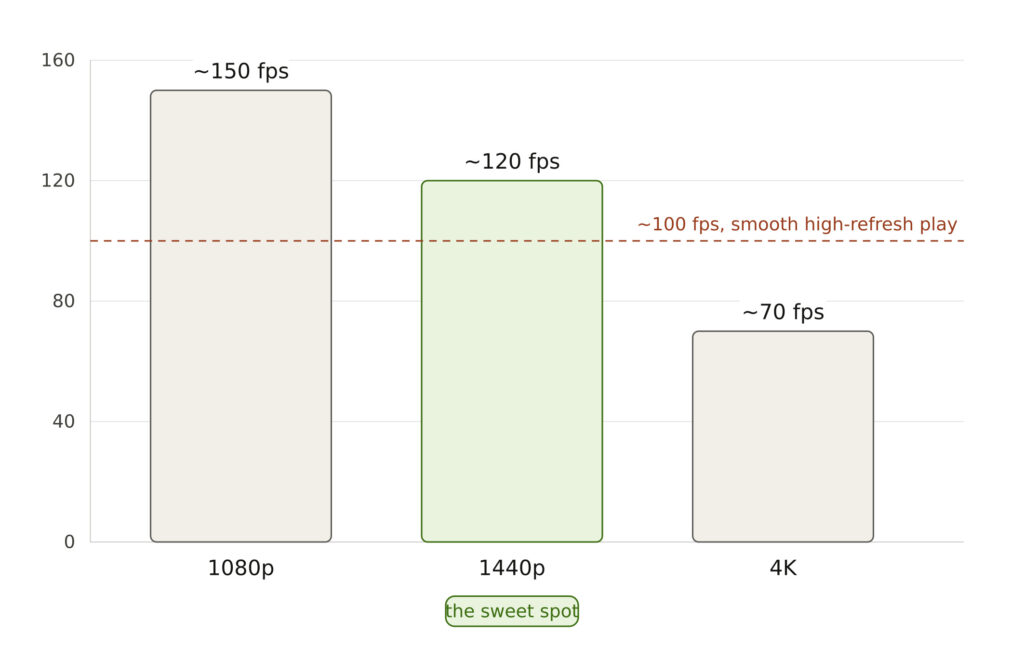
The Sweet Spot: Why 1440p Changes Everything
At 1440p, you don't need to drop settings to "Low" just to keep the game smooth, nor do you need a $3,000 graphics card. Every machine on this list lands in the 32GB DDR5 RAM zone, running a recent Intel Core i7 or Ryzen 7 chip. But the differences come down to your lifestyle. Are you hunting for the lowest price-to-performance ratio? Do you value a silent desk above all else? Or are you thinking about upgrades five years down the road?
The Top Picks for Every Type of Gamer
iBUYPOWER Y40: The Value King
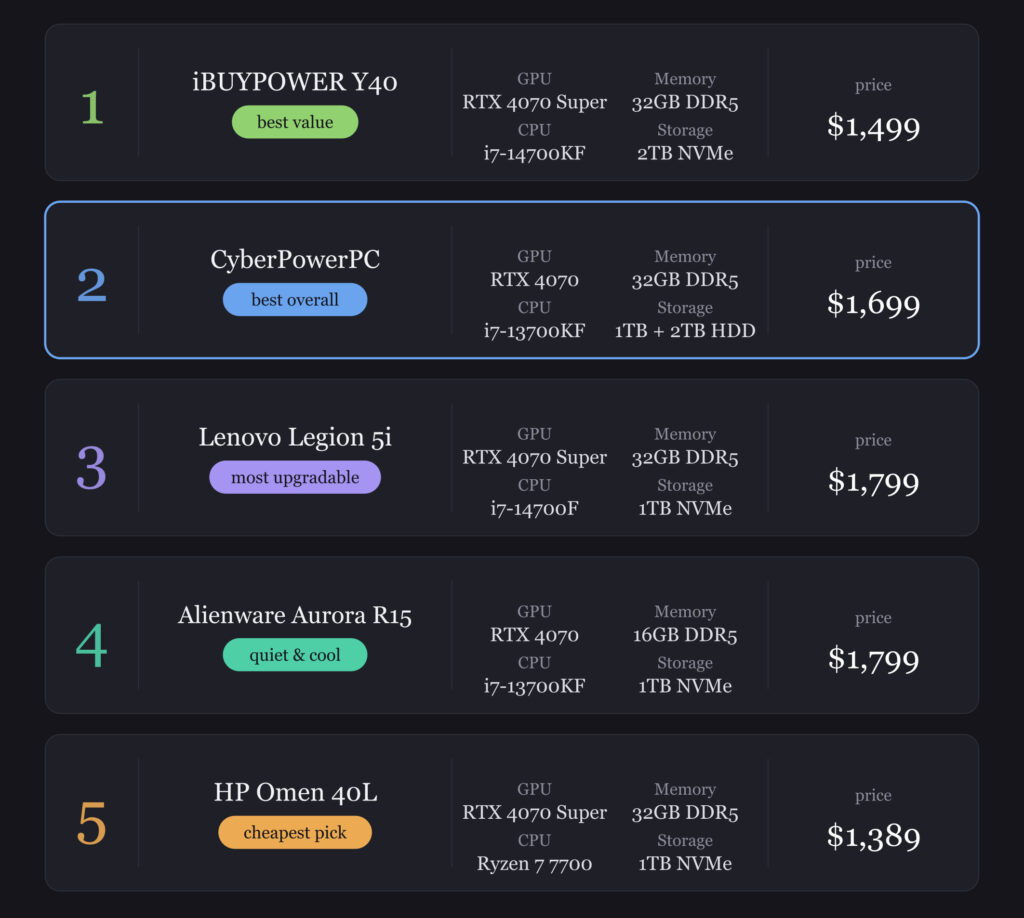
If you want the most frames for the fewest dollars, this is the one to buy. Sitting at around $1,499, the Y40 does not feel like a budget compromise. You get a massive 2TB NVMe SSD out of the box—a detail that matters more than people expect. Modern games balloon past 100GB each, and with 2TB, you aren't uninstalling your library every month to make room for the next drop. It runs on the Z790 platform, meaning a future CPU swap is entirely on the table.
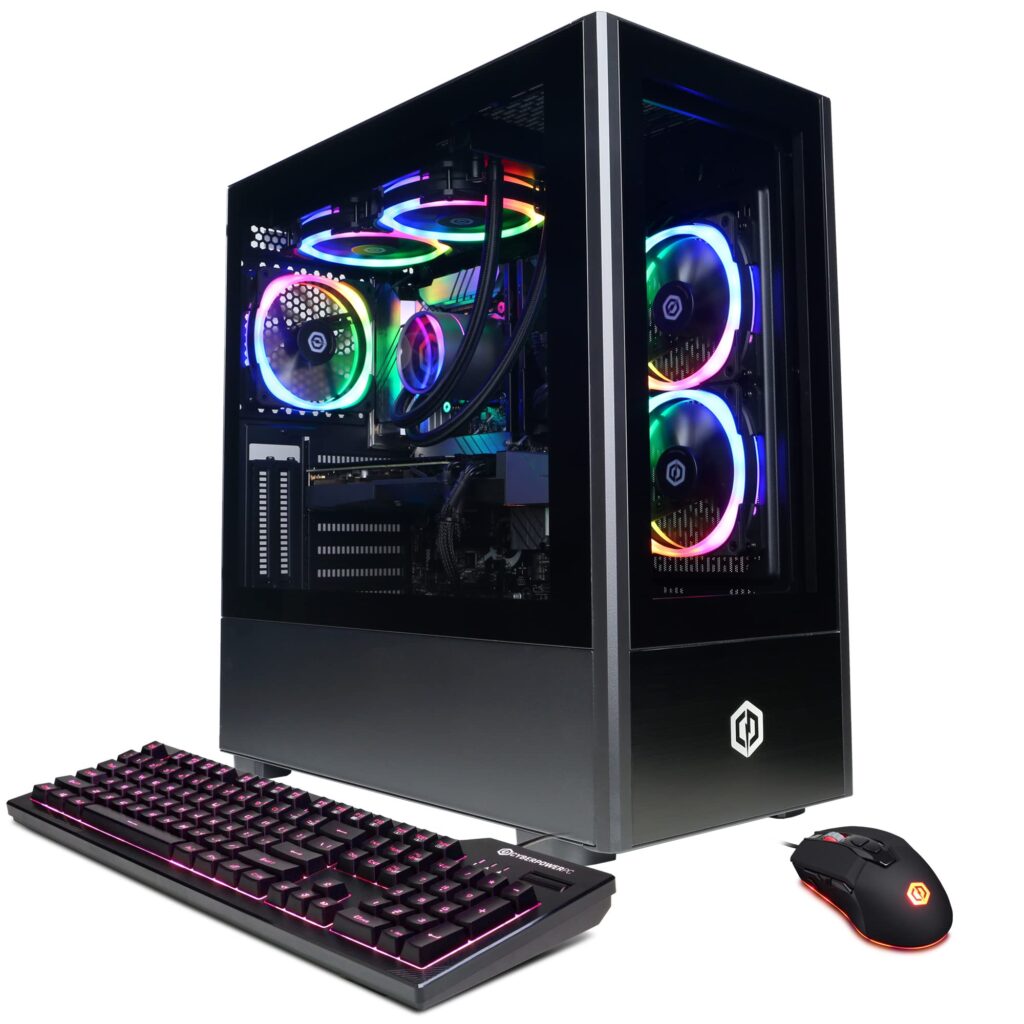
CyberPowerPC GXIVR8760A: The Safest "All-Rounder"
Some builds try too hard and end up unbalanced; this one is just sensible. At roughly $1,699, it pairs the RTX 4070 with a clever dual-storage setup: a 1TB NVMe for your OS and main games, plus a 2TB hard drive for everything else. Crucially, it comes with an 850W power supply. This gives you real headroom to drop in a hungrier graphics card down the line without replacing the power brick. It’s the box you buy and forget about.
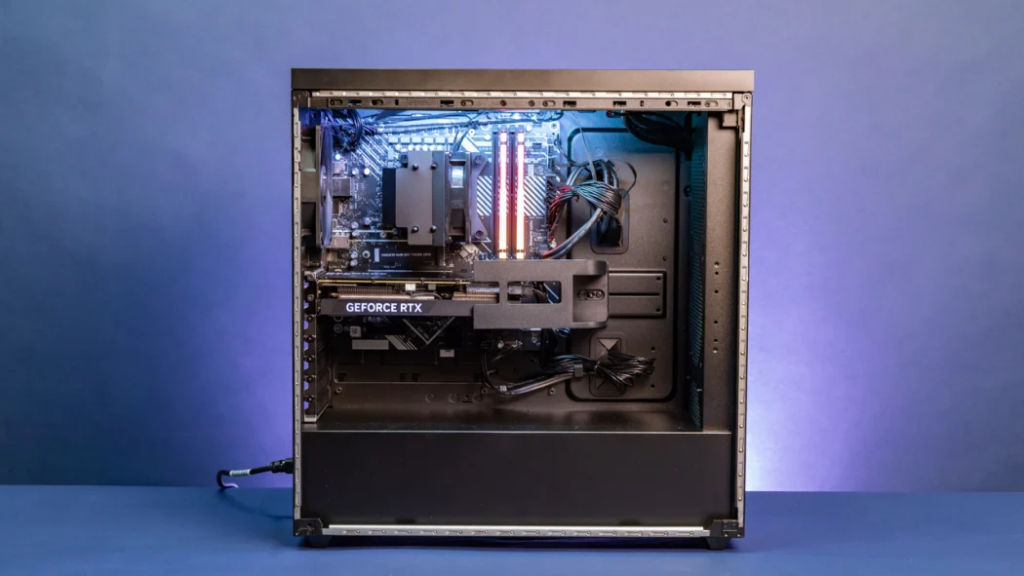
Lenovo Legion Tower 5i: Built for the Long Haul
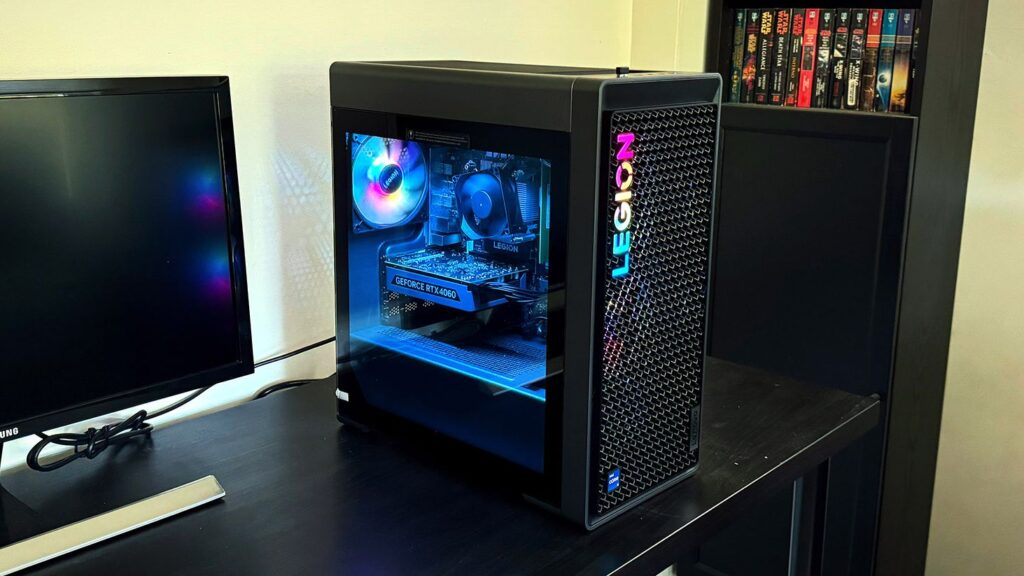
If you view your PC as a five-year investment rather than a one-time purchase, the Legion pays its premium. While the specs (Core i7, RTX 4070 Super) are familiar, the motherboard architecture is superior: it features four memory slots instead of two. Why does this matter? If you eventually want to upgrade to 128GB of RAM, you won't have to throw away perfectly good sticks to do it. Lenovo also throws in excellent cooling and build quality that makes future DIY upgrades easy on the hands.
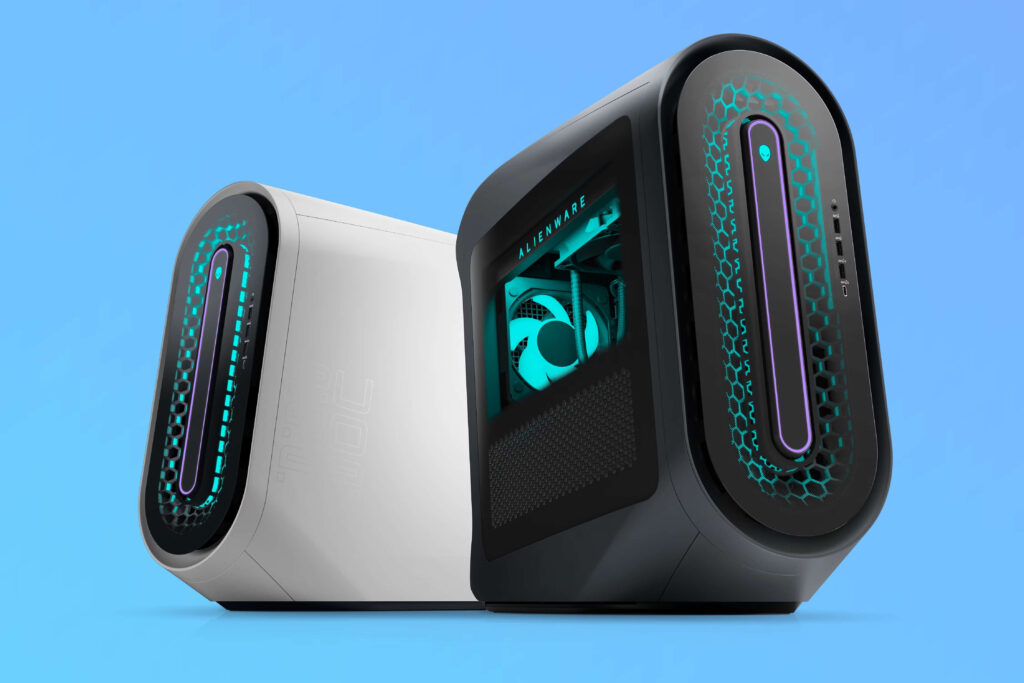
Alienware Aurora R15: Cool, Quiet, and Composed
For the gamer who shares a small office or simply hates the "jet engine" whine of cheap cases, the R15 is a standout. Its airflow design, backed by five case fans, keeps the system composed during marathon sessions. It runs incredibly quiet. Note: The base configuration ships with 16GB RAM, so plan to add a stick later to hit the 32GB sweet spot, but if silence is your priority, this is the tradeoff you'll happily make.
HP Omen 40L: The AMD Bargain
The HP Omen 40L is the value surprise of the group. Often found around $1,389, it swaps Intel for AMD (Ryzen 7 7700), but for 1440p gaming, where the GPU carries the load, that processor is plenty. HP includes a clever cooling chamber that funnels air directly to the GPU, helping maintain performance during long queues. It’s the cheapest valid entry into high-refresh-rate gaming on this list.
What This Means for Your Gameplay
Specs are just numbers until you see them in action. Here is the reality of these "4070 class" cards at 1440p:
- AAA Titles: You are easily holding above 100 FPS in demanding open-world games on high settings.
- Competitive Play: In CS2, Valorant, or Fortnite, these machines blow past 200 FPS, finally matching that 165Hz monitor you just bought.
- Smoothness: The "1% lows" (the dips that cause stuttering) stay consistent. You get a buttery experience, not a chopPy one.
Final Verdict: Pick Your Priority
Stop stressing about cable management and compatibility. The 1440p era is here, and it doesn't require a degree in engineering to enjoy.
- Want the best price-to-performance? Grab the iBUYPOWER Y40.
- Need silence and style? The Alienware Aurora R15 is your match.
- Planning for the future? The Lenovo Legion offers the best upgrade path.
Find the box that aligns with your desk setup, plug it into your monitor, and finally get back to the game.