

Picture this: you finally spot a rare finch at the edge of your wooded property, rush to set up a smart camera feeder, only to realize it’s completely out of Wi-Fi range. It’s the classic outdoor tech trap. Most smart bird cameras are essentially tethered to your home router, leaving the absolute best wildlife viewing spots completely off-limits. If you’ve ever wrestled with flimsy mesh extenders or burned through your phone’s hotspot just to chase a single bar of signal, you already know the frustration. That exact connectivity gap is precisely what the BirdVue FEED 1 was engineered to close.
True Freedom From the Wi-Fi Tether
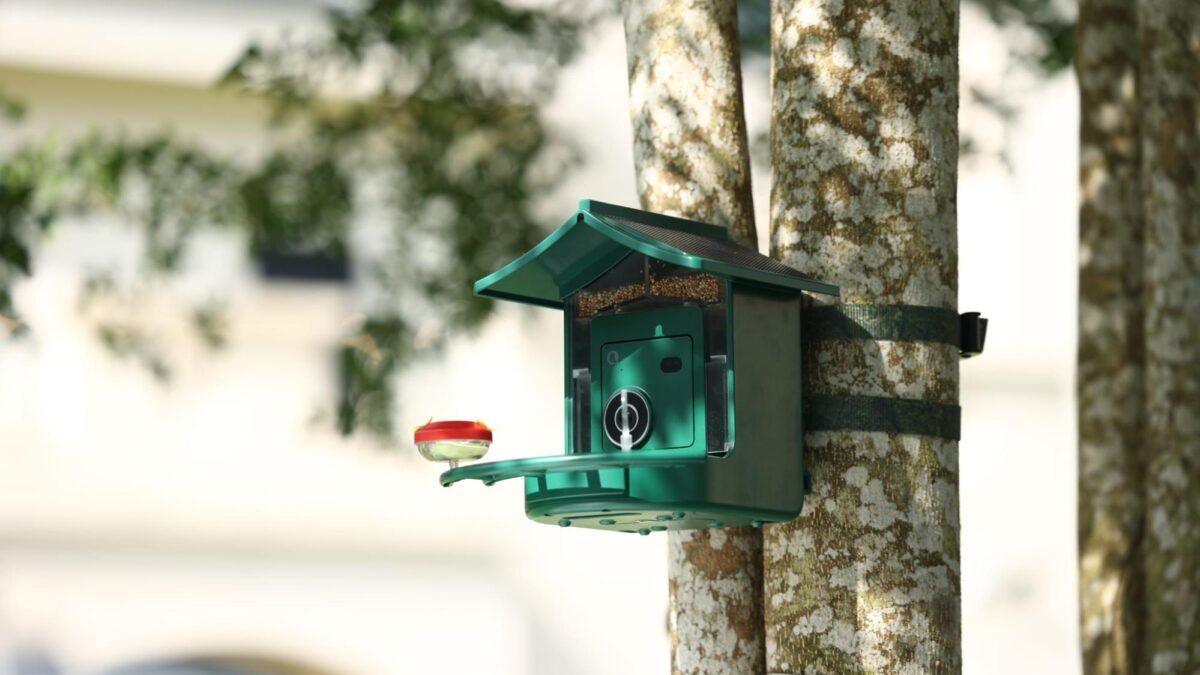
Most backyard gadgets fail the moment you step past the patio line. FEED 1 flips the script with seamless dual 4G LTE and Wi-Fi switching. You can mount it ten feet from your kitchen window or drop it three hundred feet out by a quiet creek, and the app stays fully connected. There’s no need to run extension cables or patch together weak signals. The device simply finds the network that works and keeps your notifications live. For birders who own larger properties, rent cabins, or just prefer placing feeders along nature trails, this cellular backbone changes everything.
Radar That Actually Handles Real Weather
Traditional motion sensors and PIR tech often ghost you when it rains, fogs up, or temperatures drop. BirdVue ditched the standard hardware for millimeter-wave radar, which cuts through heavy downpours, low light, and erratic flight paths with impressive consistency. It doesn’t just log that something moved; it’s designed to read behavioral patterns and track visitation habits over time.
Why this matters in daily use: • Maintains detection accuracy through sudden temperature swings, fog, and heavy rain • Catches fast or unpredictable movements that basic infrared sensors typically miss • Logs behavioral trends and frequency instead of just random timestamps
AI That Curates the Footage So You Don’t Have To
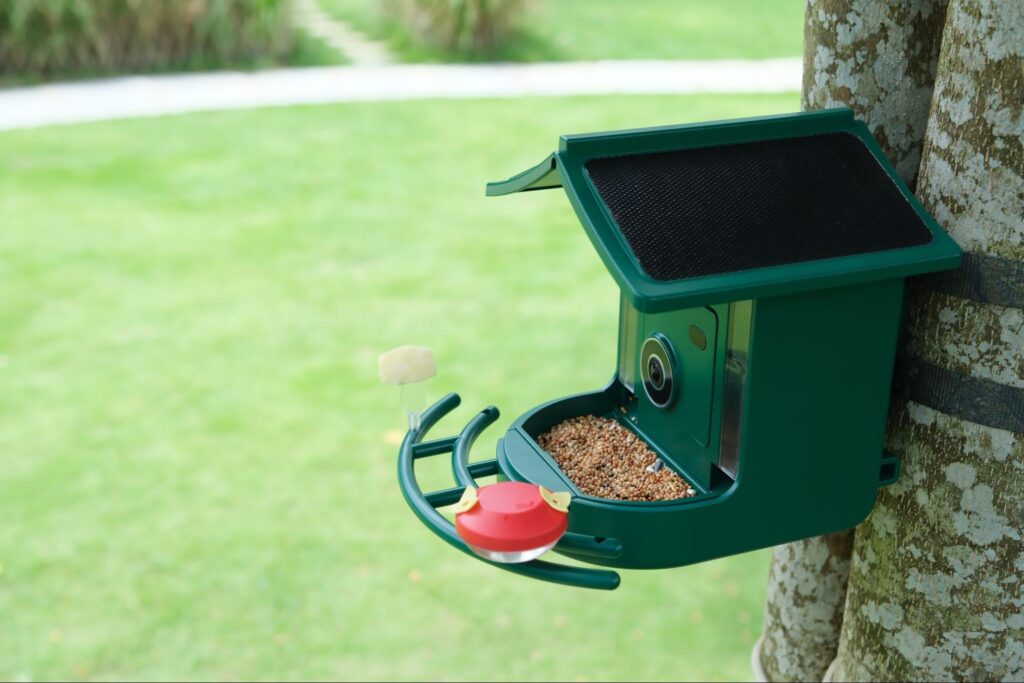
We’ve all opened a camera app to find hours of empty perches, swaying branches, and the same sparrow looping in the background. Raw motion-triggered clips pile up fast, and manually scrubbing through them kills the joy. FEED 1’s built-in AI filters out the noise automatically, building a clean, searchable bird journal in the background. It recognizes species, identifies which visitors are regulars versus occasional passersby, and highlights actual moments worth watching. Open the app three days later, and the sorting is already done. It feels less like monitoring a security feed and more like flipping through a well-kept nature archive.
[Watch the full product video and live demo here]
Power and Feeding That Run Entirely on Autopilot
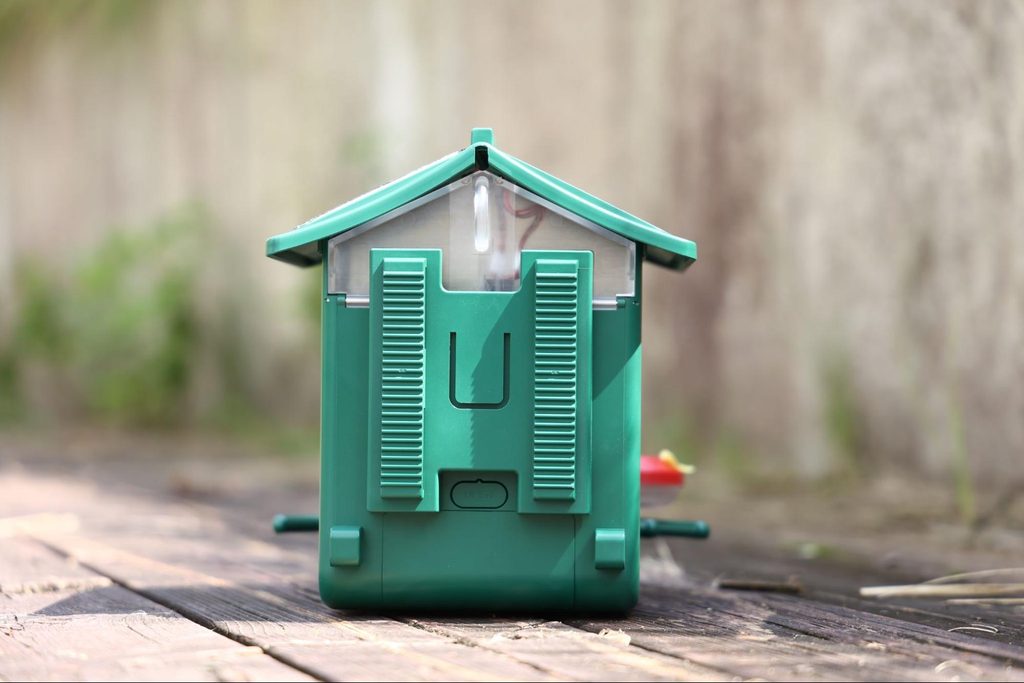
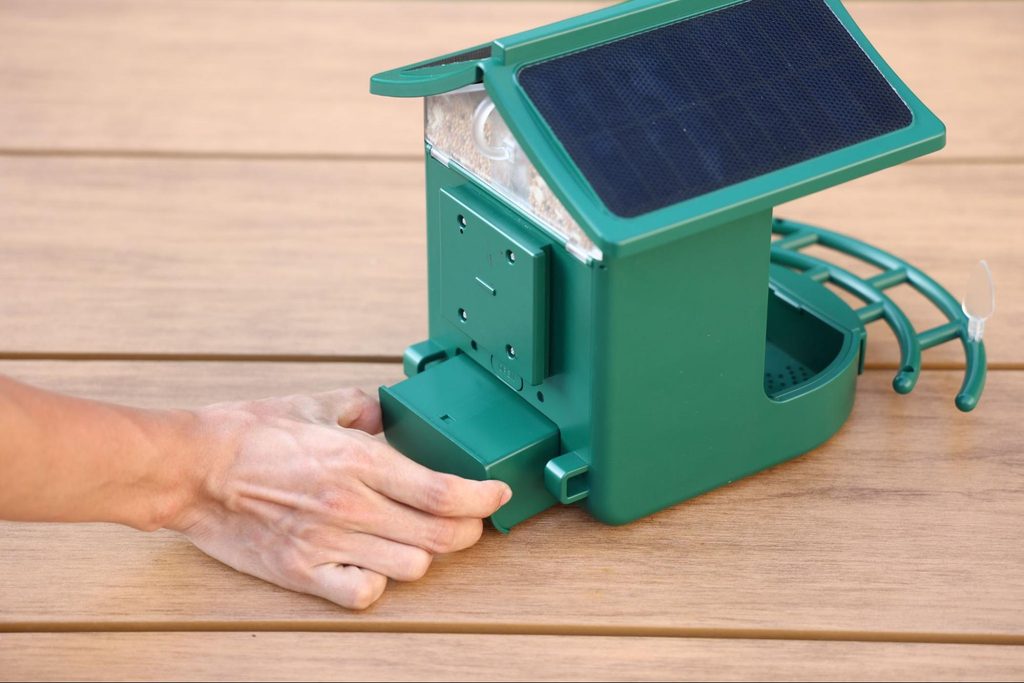
The real beauty of a remote feeder isn’t just capturing footage; it’s keeping the birds coming back without daily chores. Two integrated 3W solar panels pair with a 5,200mAh battery to keep the unit charged indefinitely, eliminating the dreaded “low battery” alert. Meanwhile, the internal storage hopper continuously tracks seed levels and auto-dispenses before the tray runs dry. Birds establish routines quickly, and an empty tray breaks that habit fast. Automated refilling keeps the local flock loyal to your spot.
Key maintenance benefits: • Zero charging schedules thanks to fully self-sustaining solar power • Automatic seed dispensing prevents food shortages and maintains visitation patterns • Shared discovery layer lets you browse highlights from nearby community feeders
Early Kickstarter backers can secure the initial $159 pledge price, with shipments rolling out this November—perfect timing for spring migration. The unit shifts to its standard $299 retail tag once the campaign closes. If you’re a weekend nature watcher or a dedicated birder tired of rearranging your yard just to chase a Wi-Fi signal, the FEED 1 is engineered to finally keep pace. Stop forcing the birds to come closer to your router, and start placing the camera exactly where they already gather.