

You know the feeling. You tap a prompt into a sleek white chat box, hit enter, and an answer appears instantly. It’s smooth, frictionless, and completely invisible. But behind that instant response lies a sprawling network of data centers draining gigawatts of power, drawing millions of gallons of cooling water, and pushing the global grid to its limits. We’ve traded awareness for convenience, paying hidden premiums while tech giants quietly sideline their own climate pledges. What if the next AI tool you use actually made you feel the cost of computing?
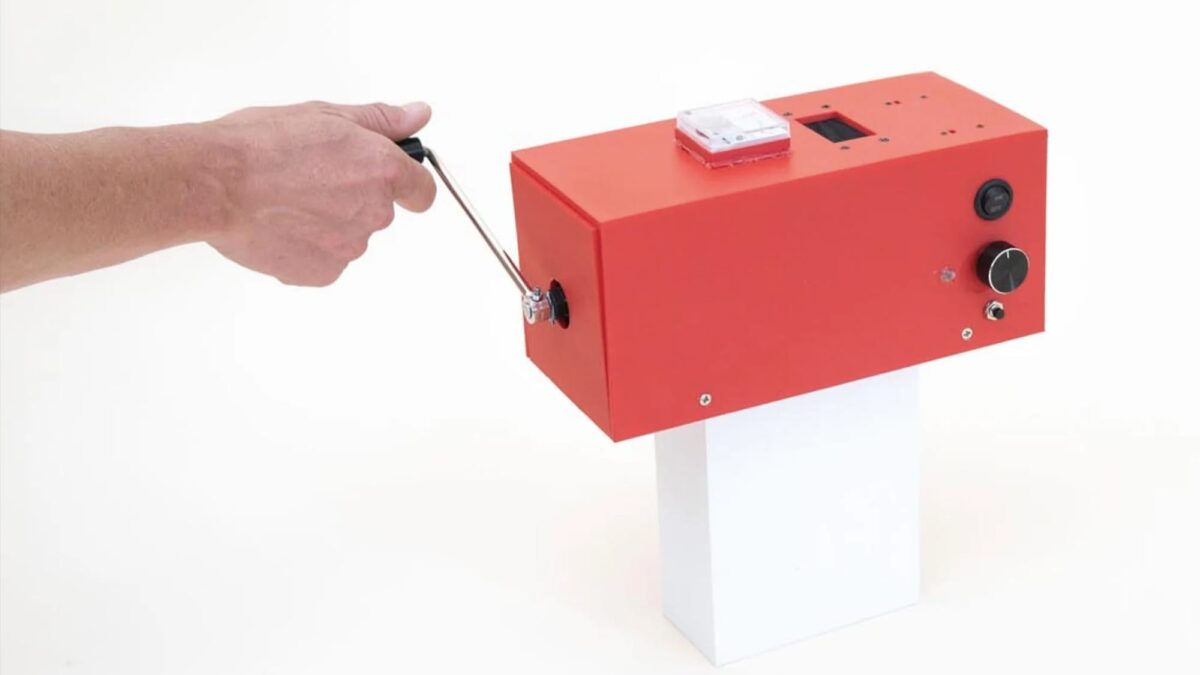
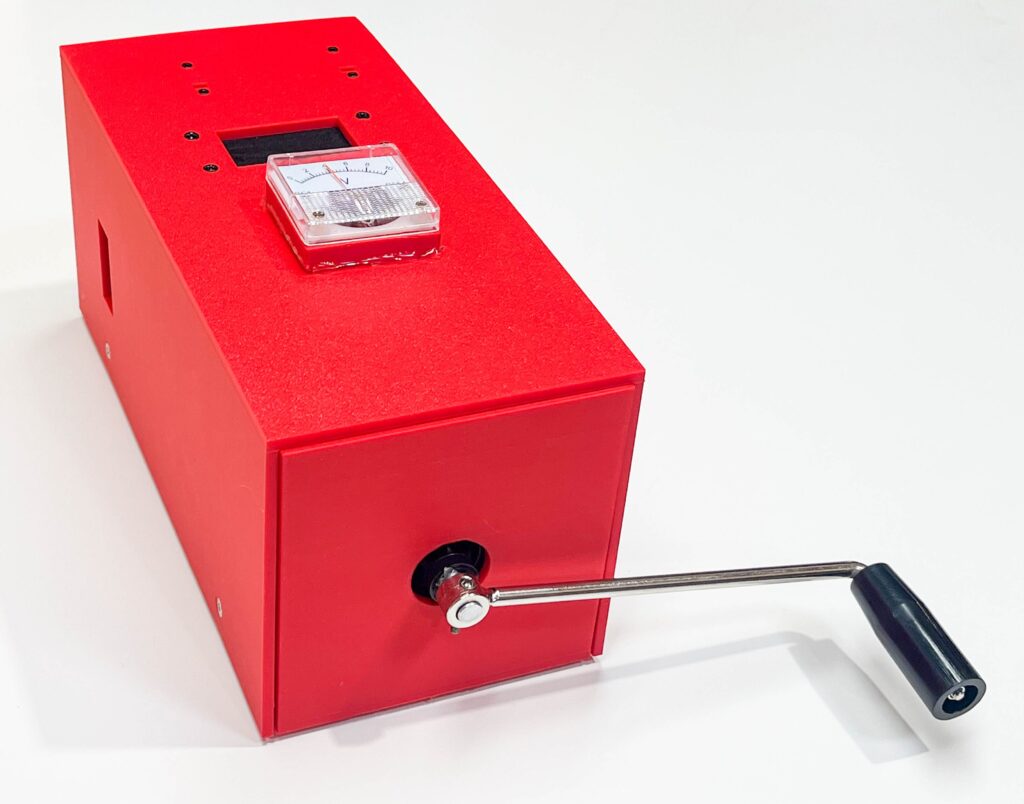
Meet CrankGPT — a tiny, beautifully honest voice assistant from Squeez Labs that refuses to answer your questions until you physically generate the electricity yourself. No cloud. No Wi-Fi. Just a Raspberry Pi 5, a 20W hand-crank generator, and your own two hands. And honestly? It’s the most refreshing interaction I’ve had with AI in years.
The Engineering Behind the Crank
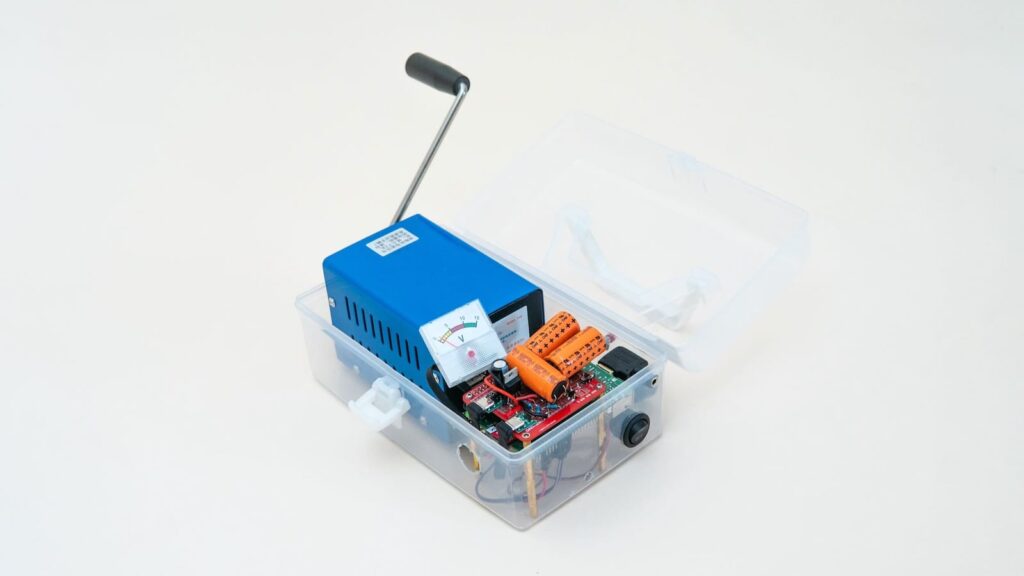
CrankGPT isn’t just a gimmick; it’s a brilliantly executed engineering statement. The entire system runs on a Raspberry Pi 5, powered exclusively when you turn the handle. It boots up in roughly 30 seconds and uses an optimized tech stack: llama.cpp handles lightweight local models like Liquid AI’s LFM2 350M and Gemma 3 1B. Moonshine takes care of speech recognition, while Piper handles text-to-speech.
What makes the build stand out is the custom capacitor board. When the language model and speech synthesis fire simultaneously, the electrical load spikes. The capacitor smooths out those voltage surges, meaning the crank literally gets harder to turn during heavier computations. You don’t just watch the AI think — you physically feel the inference workload in your bicep.
Why the "Inconvenience" is Actually the Main Point
Squeez Labs is perfectly aware this isn’t meant to replace your daily productivity suite. Instead, CrankGPT acts as a provocation. Every prompt you send to a cloud-based AI consumes real resources. In 2025 alone, global data center electricity consumption hit nearly 490 TWh. That’s a 17% yearly jump, with AI infrastructure driving half of that surge. Yet, the end-user experience remains a perfectly clean, silent interface. CrankGPT strips away the illusion. Want an answer? You spin the crank. The friction makes the invisible carbon and economic footprint tangible again.
Local AI: Privacy, Control, and Zero Subscriptions
Beyond the sustainability statement, CrankGPT taps perfectly into the rapid shift toward local, on-device AI.
- Zero Data Leakage: Running inference entirely offline means your voice, your questions, and your data never leave the room. For anyone wary of handing over sensitive information to corporate servers, this is a massive win.
- Right-Sized Models: The project proves you don’t need massive GPU clusters for everyday tasks. Smaller, highly tuned models can handle a surprisingly wide range of daily interactions efficiently without the lag or lagging energy draw.
- Open & Accessible: The entire build is open-sourced. Squeez Labs designed it so you can assemble your own unit for under $300 in parts.
Who Should Bring CrankGPT to Their Desk?
This isn’t for the casual user looking for a quick weather update. It’s made for hardware hobbyists, privacy-focused developers, off-grid tech enthusiasts, and sustainability-minded creators who want to spark real conversations about our digital footprint. It fits beautifully on a maker’s workbench, in a university lab, or as a striking conversation piece in a mindful workspace.
The Bottom Line
In an era where AI feels increasingly abstract and resource-hungry, CrankGPT brings us back to reality. It combines privacy-first local LLM technology with a hands-on experience that reminds us: computing costs something, and transparency shouldn’t be optional. If you’re tired of invisible algorithms, data-hungry cloud servers, and endless monthly subscriptions, grab the handle and spin.
Ready to rethink how you interact with AI? CrankGPT is waiting for your energy.