

You pick up a brand-new flagship, slide it across your desk, and it glides perfectly into your palm. The edges just melt into your grip, making one-handed scrolling feel almost effortless. But we all know the catch. A single slip on pavement shatters the corner. Screen protectors peel at the edges. Accidental touches ruin a clutch moment in your favorite mobile game. For years, manufacturers walked away from curved glass to avoid these exact headaches. But in 2026, the curve isn’t disappearing—it’s evolving. And this time, it’s actually ready for daily life.
From Dramatic Waterfalls to Smarter 2.5D Glass
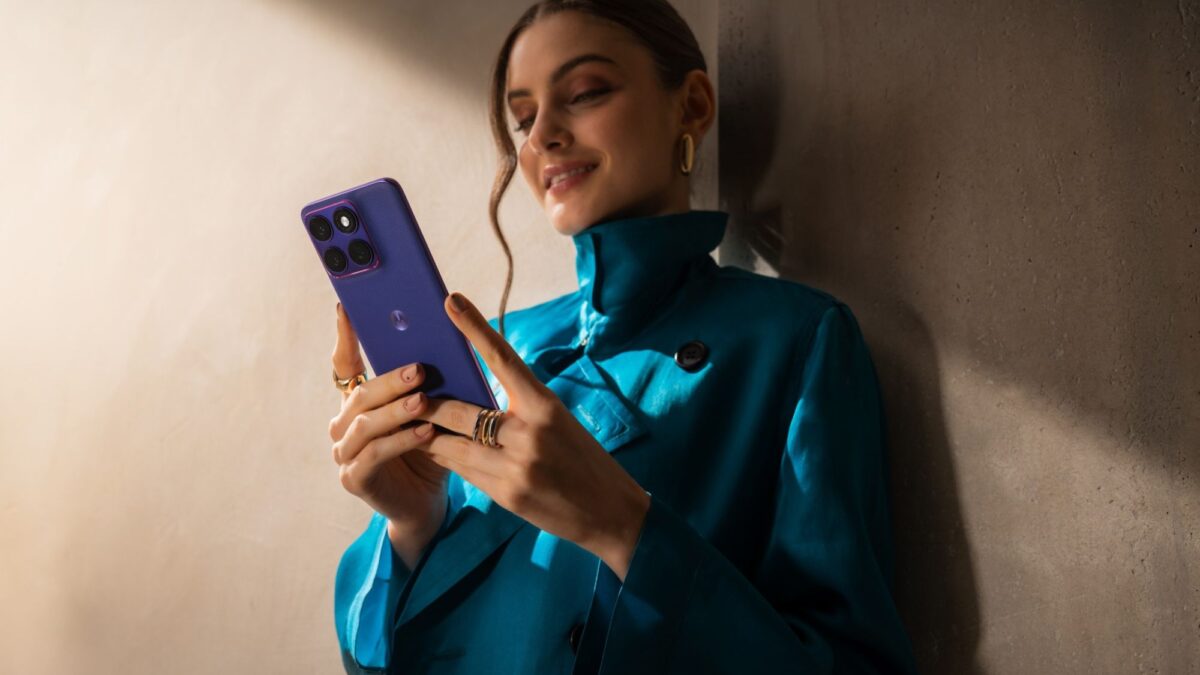
The industry finally learned what enthusiasts have been saying: extreme bends don’t equal better usability. The new wave of curved screen smartphones abandons the fragile "waterfall" look in favor of 2.5D glass that gently arches over a completely flat OLED panel. This subtle redesign is a game-changer. It keeps that premium, light-catching silhouette while making everyday accessories actually work. Screen protectors finally lay flat without lifting at the corners, and cases can grip the metal frame instead of leaving the sides vulnerable. Brands like Motorola with the Edge series, Honor’s Magic6 Pro, and flagship models from Vivo and OPPO have already perfected this four-sided approach.
Real-World Ergonomics That Actually Hold Up
Forget marketing renders; this design wins in your hands. When you’re commuting on a packed train or trying to reply to a message while carrying groceries, that gentle roll at the edges gives your thumb a natural resting zone. Swiping back to navigate apps feels fluid, almost frictionless. Gaming sessions become noticeably more comfortable because your palms don’t constantly trigger phantom inputs. The slight two-to-three-millimeter curve also allows case manufacturers to lower their protective lips, meaning your fingertips tap pure glass instead of bulky plastic edges.
Here’s why this shift matters for your daily routine:
- Seamless One-Handed Control: Natural thumb placement reduces strain during long reading, scrolling, or gaming sessions
- Protector-Friendly Design: Flat underlying OLED ensures screen guards stick perfectly without frustrating bubbles or peeling
- Drop-Tested Durability: Modern armor glass and reinforced frames turn historically fragile edges into resilient, everyday shields
- Effortless Pocket Presence: Slim, light-catching profiles feel noticeably lighter and more balanced than their thick flat-screen counterparts
Why Premium Tech Is Finally Catching Up
The hesitation around curved panels was never about the glass itself—it was about the premium price tag, repair anxiety, and manufacturing guesswork. As flexible OLED production scales and mid-range phones adopt the design at accessible prices, the curve is no longer just a luxury flex. It’s becoming the standard for flagship ergonomics. Market data shows flexible panel shipments stabilizing while rigid OLED drops, signaling that display makers are investing heavily in adaptable, resilient tech. When the industry standardizes gentle curves, replacement costs normalize, accessory ecosystems expand, and the "fragile" label quietly disappears.
If you’ve been holding onto an older curved phone because nothing modern feels quite right in your hand, 2026’s lineup is your upgrade moment. The new generation ditches the flashy, break-prone waterfalls and delivers exactly what we actually wanted: a phone that looks sleek, fits naturally, and survives real-world chaos. Perfect for commuters, mobile gamers, and anyone tired of sacrificing pocket feel for durability. Stop waiting for the industry to make up its mind—step into a curved screen that finally works with your hands, and feel the difference the moment you pick it up.