

We've all been there. You're in the middle of a crucial playlist, a heated podcast, or just trying to zone out during a commute, and one earbud sputters and dies. Or worse, two years later, the battery life is so degraded that the "premium" wireless earbuds you spent good money on are destined for the drawer of shame or, eventually, the landfill. It's the dirty secret of the tech world: our favorite gadgets are designed to be disposable.
But what if that narrative could change? What if the solution to electronic waste wasn't just "buy less," but "repair what you have"? That is exactly where Fairphone steps in. With the recent leaks surfacing about the upcoming Fairbuds 2, there's a lot of chatter about a major design shift. While the internet is buzzing about the new look, the real story—and the reason you should actually care—is hidden in the details of what makes these earbuds tick (and how long they can keep ticking).
From Stemless to Stems: Why Fairphone Is Changing the Look
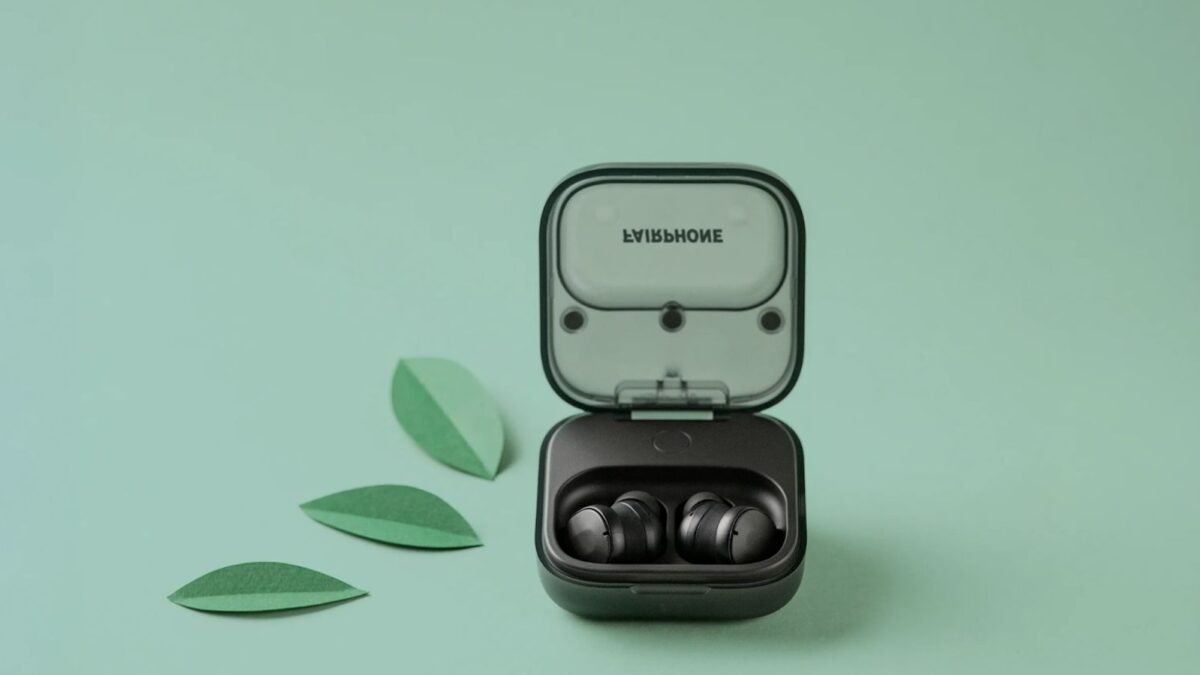
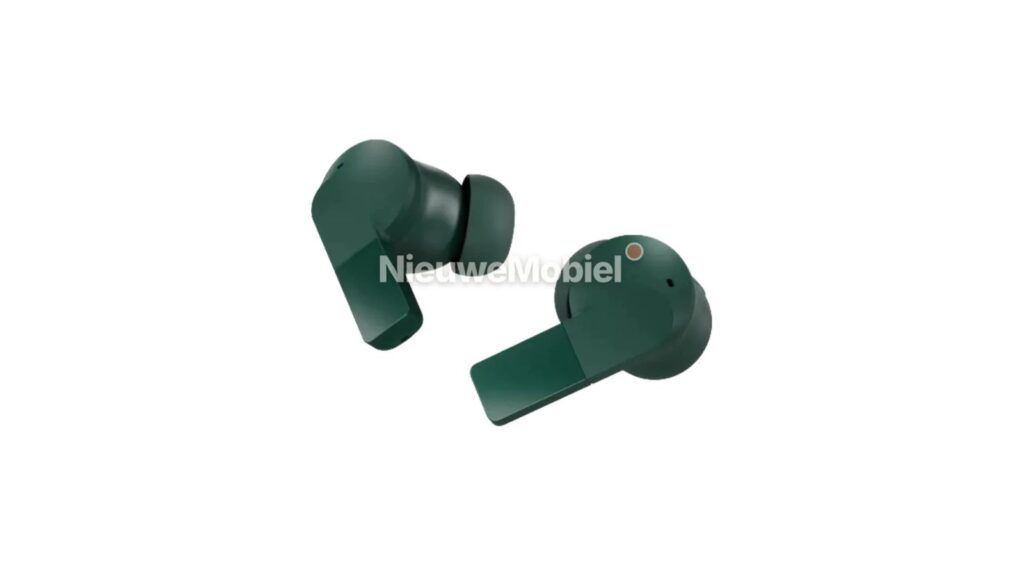
If you remember the original Fairbuds, you know they stood out. They were round, stemless, and looked nothing like the ubiquitous white stems dominating every coffee shop and subway car. They were a statement piece for sustainability. However, the leaks for the Fairbuds 2 suggest a pivot to a more familiar stem-style design.
At first glance, you might feel a twinge of disappointment. "Didn't they promise to be different?" It's a valid reaction. But let's look at this practically. The original rounded shape, while unique, wasn't for everyone. Ear canals come in infinite varieties, and a stem design often provides a better seal and a more secure fit for a wider range of ears. By adopting stems, Fairphone isn't just following trends; they're acknowledging that for a repairable tech product to truly succeed, it has to be comfortable enough to use every single day.
This shift signals confidence. Fairphone is betting that you won't buy these just to look cool on a shelf; you'll buy them because they sound good, fit well, and align with your values. It's a trade-off that prioritizes function over form, which is exactly what a pragmatic user wants.
The Heart of the Matter: Modularity and the Battery Question
Here is where things get interesting. The original Fairbuds were a dream for repair enthusiasts, earning a perfect 10/10 from iFixit. They featured 7 individually replaceable parts, including the batteries in each bud, the case battery, silicone rings, and tips. No glue, no proprietary tools—just a standard Philips screwdriver.
The Fairbuds 2 leaks show a noticeably thicker charging case and stems. Naturally, this has led to speculation: Are we getting a bigger battery? And more importantly, will it still be replaceable?
In the world of modular wireless earbuds, the battery is the most critical component. In almost every other pair of earbuds on the market, the battery is a consumable. Once it degrades, the device is trash. It's a built-in expiration date that generates mountains of e-waste. If Fairphone ships the Fairbuds 2 with a mainstream stem design but keeps the ability for users to easily swap out the batteries, they win. They prove that you don't have to sacrifice longevity for a modern aesthetic.
Why "Boringly Repairable" is the Most Exciting Feature
We live in a culture obsessed with the "new." Every year brings slightly faster chips and marginally better noise cancellation, wrapped in the same disposable packaging. But there is a growing hunger for products that respect our wallets and the planet.
The Fairbuds 2 have one job: prove that sustainable audio can survive a redesign.
- For the Audiophile on the Go: If they maintain sound quality while offering a better fit, these become a daily driver, not just a niche gadget.
- For the Eco-Conscious: The ability to replace parts means you're not just buying a product; you're investing in a system that reduces waste.
- For the DIYer: Knowing that you can pop open the case and extend the life of your gear by a few years with a simple screwdriver is a level of empowerment that proprietary tech companies are terrified of giving you.
Even if the Fairbuds 2 look like everyone else's earbuds, what's inside makes them unique. A thicker case could mean better battery life, which is a welcome upgrade, provided the internal architecture still allows for user serviceability. If Fairphone walks back the repairability features to accommodate a new shape, they risk becoming just another pair of earbuds with a fair-trade label. But if they deliver on the promise of modular batteries in a stem design, they set a new industry standard.
Final Thoughts: Is This the Future of Earbuds?
We are still waiting on official specs and pricing, and as with all leaks, we should take them with a grain of salt. But the trajectory is clear. We don't need earbuds that look "bonkers" to be innovative. We need earbuds that respect the resources used to build them.
The Fairbuds 2 are shaping up to be the perfect companion for anyone who is tired of the upgrade cycle. Whether you're a student, a commuter, or just someone who believes that tech should last longer than a subscription plan, this is the product to watch.
Fairphone has the chance to prove that something as small and often disposable as wireless earbuds doesn't have to end up in the trash. If they nail the balance of a comfortable, stem-style design with their legendary replaceable parts, the Fairbuds 2 won't just be a gadget; they'll be a statement that the future of tech is repairable. And honestly? I'm ready to grab a screwdriver and keep them running for years to come.