

It’s 6 AM. You’re halfway through your warm-up when your wrist lights up with an email, a Slack ping, and a random meme share. Suddenly, your “me time” isn’t yours anymore. That’s exactly why 2026’s smartest move is ditching the screen entirely. Garmin CIRQA and Fitbit Air are answering the same quiet call: give us real health insights, keep the digital noise out. If you’re tired of swapping screens for sweat and just want accurate metrics without the notification fatigue, choosing between these two bands comes down to how you train—and how much you’re willing to keep paying over time.
The Art of Distraction-Free Training
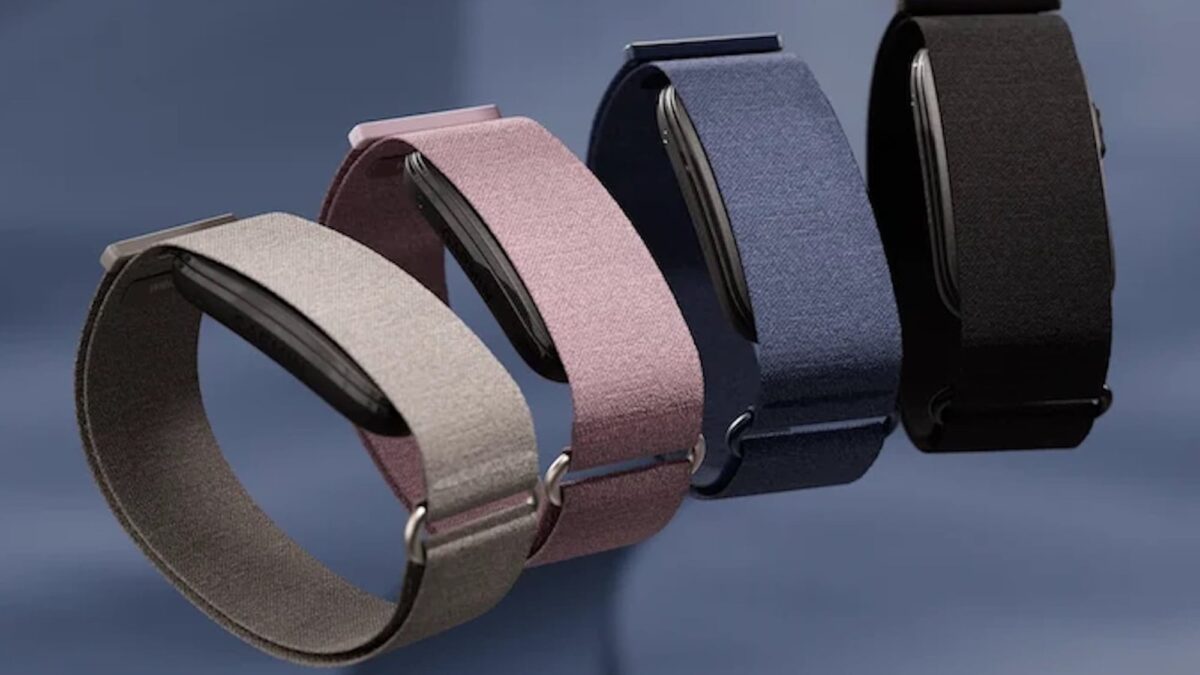
Without a display to steal your focus, these trackers finally let your workouts breathe. The Fitbit Air is featherlight at just 12 grams, practically vanishing on your skin whether you’re grinding through a sunrise run or sleeping deeply through the night. Garmin CIRQA matches that invisible comfort but adds a dedicated tactile button on the side. That small detail means you can start and stop sessions mid-lunge or mid-sprint without fumbling through touch gestures. It’s built for pure flow, turning every rep and recovery hour into uninterrupted, clean data.
Data That Actually Moves the Needle
Once the sweat dries, the real gap opens in the apps. Fitbit Air leans heavily on the Google Health AI Coach, which translates HRV, resting heart rate, and sleep stages into plain-English daily suggestions. It’s incredibly intuitive if you just want a clear answer to “how am I actually doing today?” Garmin CIRQA, however, syncs straight into Body Battery and Training Readiness. It pulls in Pulse Ox, skin temperature, and VO2 Max to map your long-term performance curve and recovery windows. It’s a deeper dive, yes, but it’s engineered for anyone who plans training blocks rather than just logging casual steps.
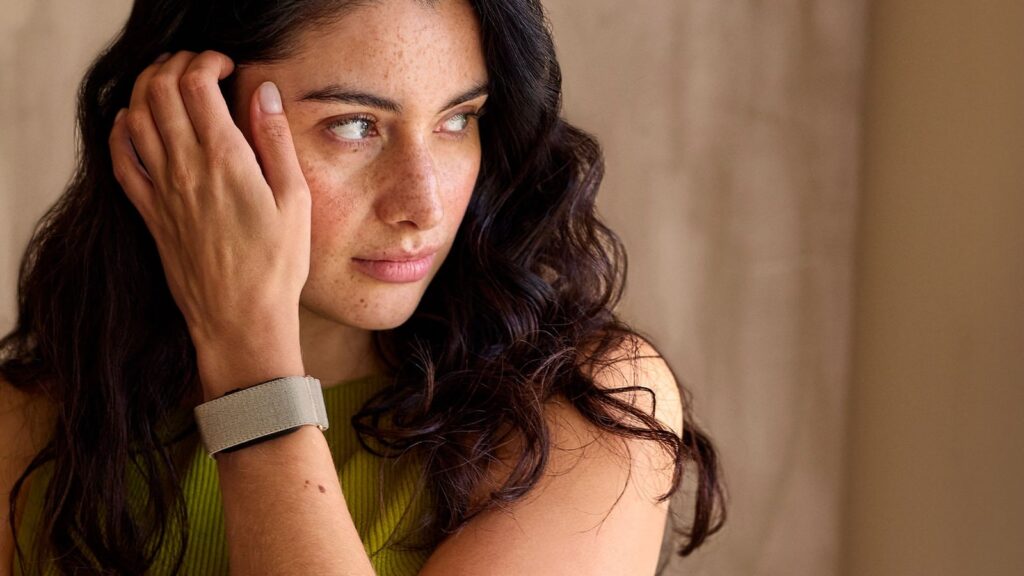
Why screenless bands are quietly taking over: • 80+ Activity Profiles: Track everything from heavy lifting to indoor cycling with one-click control • Effortless Auto-Detection & AI Guidance: Just start moving, and the coach handles the baseline • Clinical-Grade Cycle Tracking: Syncs directly with FDA-cleared Natural Cycles via overnight temp shifts • Zero Notification Fatigue: Train, stretch, and sleep without the glow pulling you away
Battery Life & The Subscription Catch
Screenless design naturally saves power, but the charging rhythm still dictates your daily routine. Fitbit Air hits a reliable 7-day mark, and a quick 5-minute magnetic charge buys you a full day. Garmin CIRQA pushes to 10 days on a single charge, which drastically cuts down on nights where your tracker ends up sitting on the mat instead of your wrist. Both cover core health metrics beautifully, but subscriptions shape the long game. Fitbit Air’s deeper sleep insights and advanced AI coaching lock behind a $9.99/month Premium plan after the trial. CIRQA asks for a flat $199.99 upfront, keeps every foundational metric free forever, and only charges extra if you want live workout heart rate. When you run the math past year one, the one-time price quietly wins.
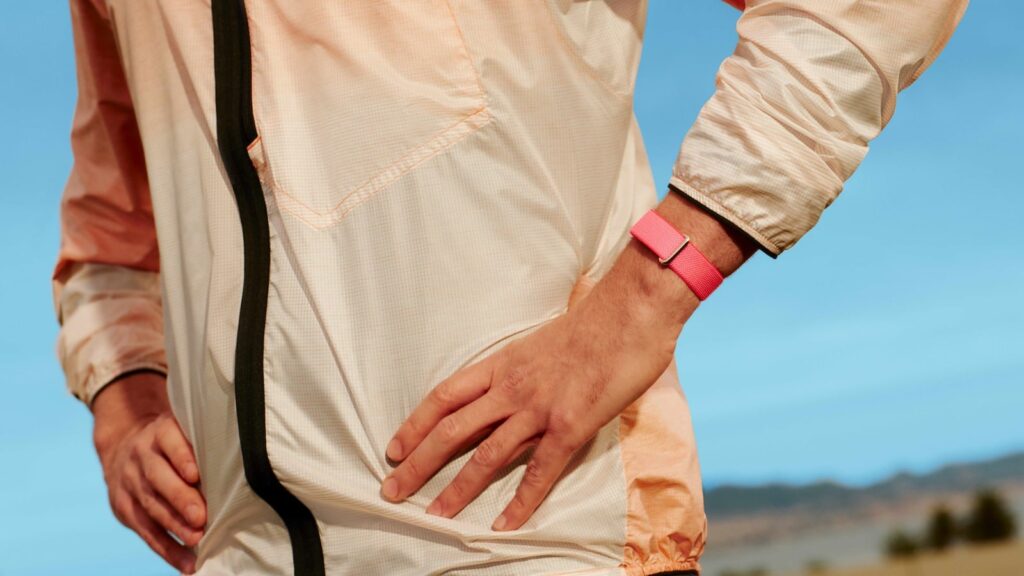

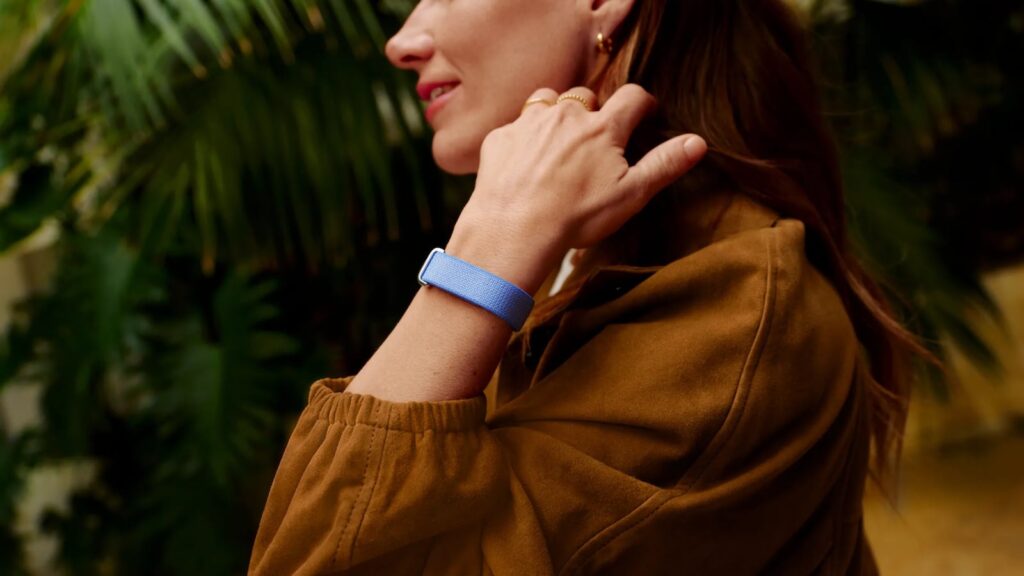
At the end of the day, neither band is trying to replace a GPS sports watch. They’re the invisible base layer your training routine actually needs. If you’re stepping away from bulky smartwatches and just want stress, recovery, and sleep clarity without the learning curve, Fitbit Air is the effortless gateway. But if you chase accurate performance metrics, hate recurring software fees, and want a tracker that genuinely scales with your fitness ambitions, Garmin CIRQA earns its spot. Stop scrolling through apps mid-workout. Strap in, let the band do the heavy lifting, and feel the difference of training with zero distractions.