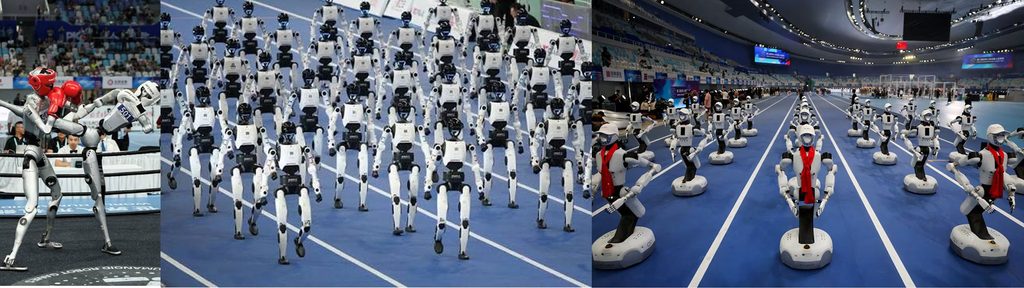

You're sitting in a quiet café when someone walks by with what looks like a companion, except it moves with a mechanical precision that's unmistakable. It doesn't bark, it doesn't get tired, but people still stop to watch. We've all seen the videos, felt the weird mix of fascination and hesitation, and wondered: are these machines actually here to stay, or just another tech trend that'll fade? The truth is, humanoid robots are no longer confined to labs. They're walking into our parks, our workplaces, and even our homes—and they're forcing us to rethink what companionship, work, and presence really mean.
The Rise of Real Humanoids in 2026
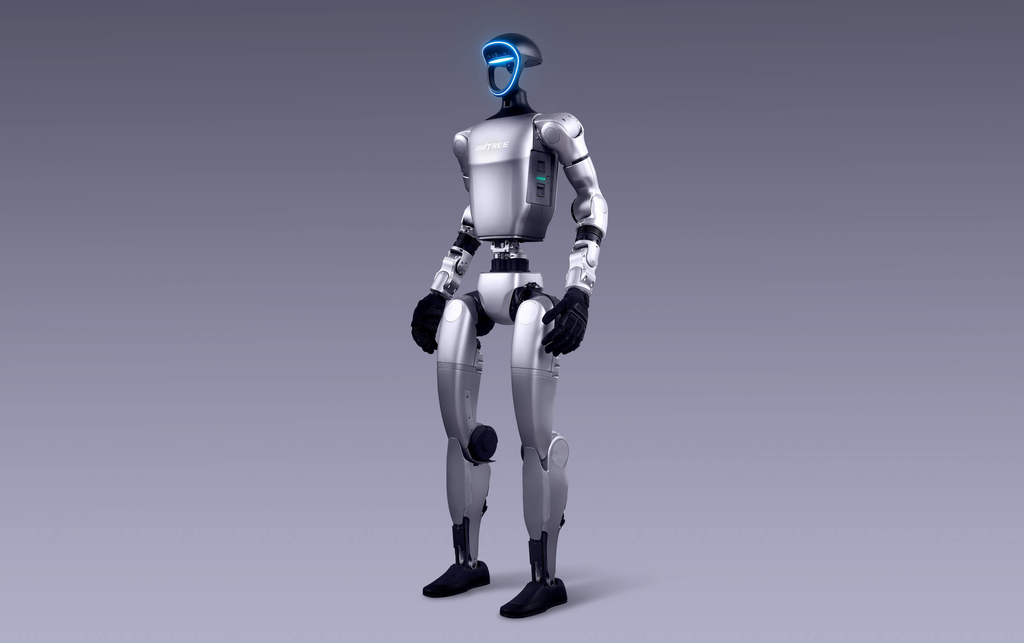
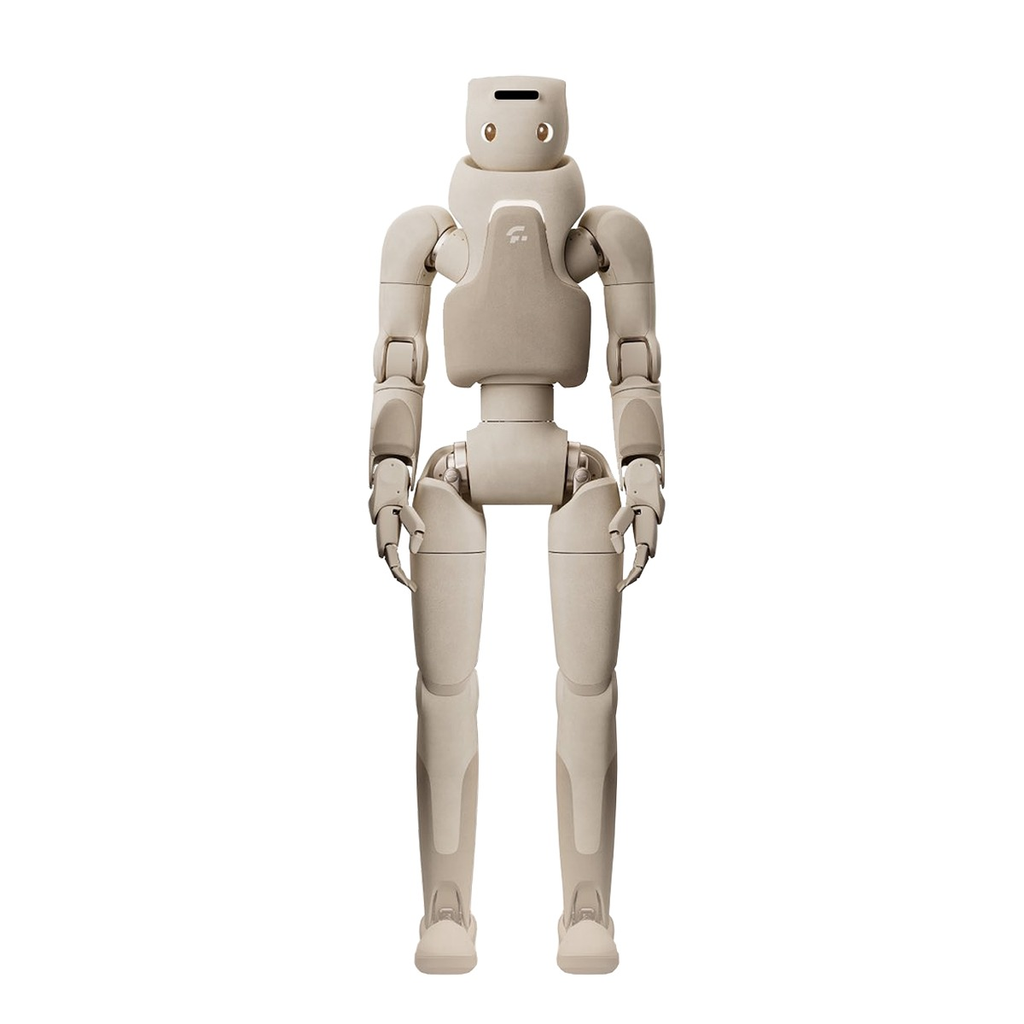
This isn't science fiction anymore. From Tesla's Optimus to Unitree's G1, Boston Dynamics' Atlas, and Figure AI's latest models, humanoid robots are finally stepping out of demo reels and into real-world applications. They stand between 1.3 to 1.9 meters tall, weigh 35–90 kg, and pack anywhere from 20 to 60+ degrees of freedom. They walk, balance, map rooms in 3D, and respond to voice commands—all powered by brushless motors and increasingly sophisticated AI.
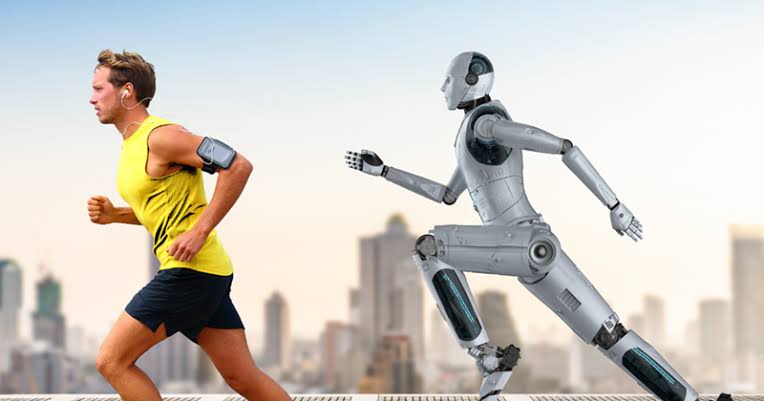
What makes them different isn't just the engineering—it's the shape. The world was built for humans, so a human-shaped machine means stairs, doorknobs, and workbenches already work for it. No costly rebuilds. No retrofitting. Just integration.
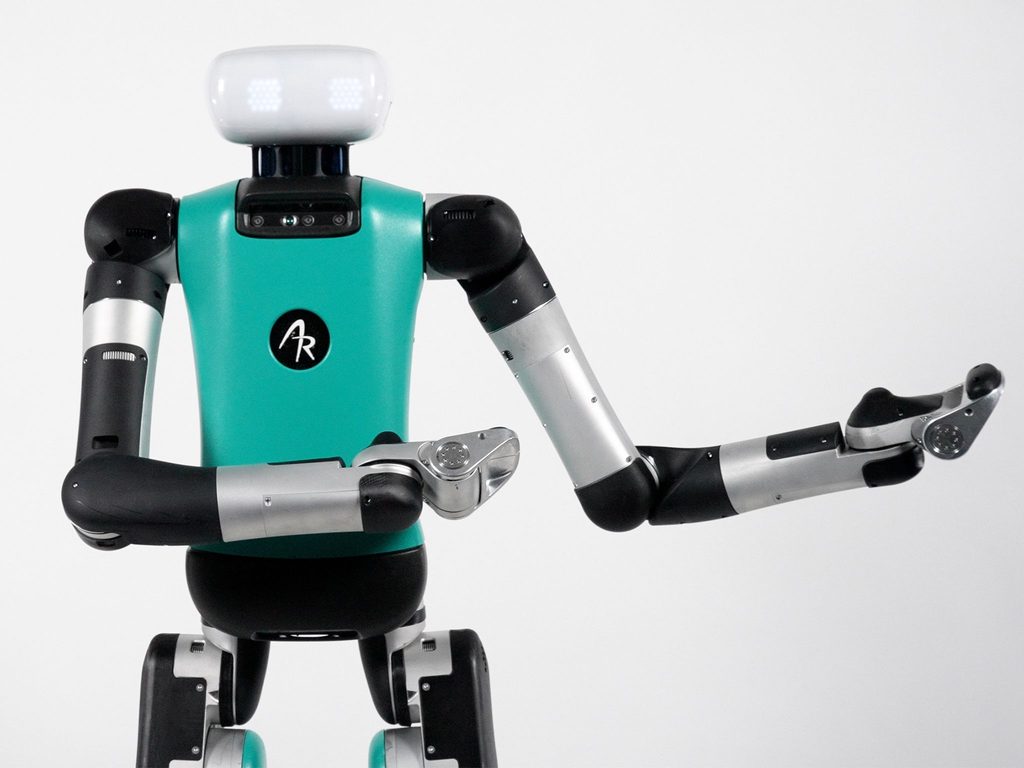
What They Actually Do (And Don't Do)
Let's cut through the noise. In 2026, humanoid robots are deployed in three main areas:
• Industrial work: Loading, unloading, and assembly-line tasks in controlled environments • Service and hospitality: Greeting guests, guiding visitors, and handling light customer interaction • Care and companionship: Elder care, rehabilitation support, and social interaction in homes and facilities
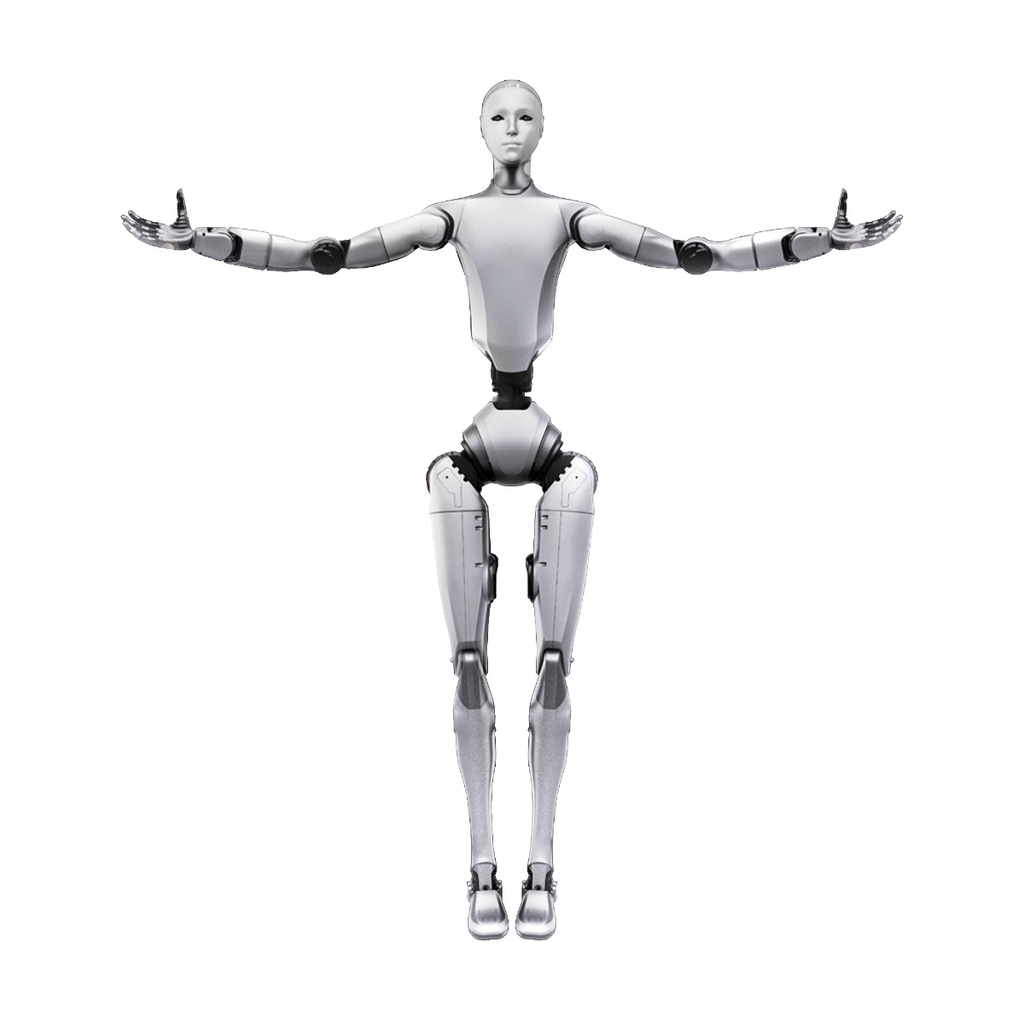
But here's the catch: battery life still caps out at 2–5 hours, dexterity remains limited compared to human hands, and most real deployments still involve human supervision. The flashy videos? Often guided by operators behind the scenes. That doesn't make them less impressive—it just means we're still in the pilot phase.
The Real Question: What Are They For?
A robot can carry a box. It can walk up stairs. It can even tilt its head when you speak to it. But what it can't do is feel the weight of a long day, notice when you're tired, or understand the quiet comfort of shared presence. That's not a flaw—it's a design reality.
Companies aren't adding faces, voices, and expressive movements because they need to lift heavier loads. They're doing it because the most valuable "work" isn't physical—it's relational. The greeter in the hotel lobby. The assistant in the recovery ward. The companion that sits with someone who hasn't spoken to another person all week.
Who Should Consider a Humanoid Robot Today?
• Businesses testing automation in logistics, warehousing, or customer service • Healthcare facilities exploring support tools for elder care and rehabilitation • Researchers and developers working with platforms like Unitree G1 or Figure 03 • Early adopters curious about the intersection of AI, robotics, and daily life
These machines won't replace the warmth of a real conversation, the loyalty of a living companion, or the irreplaceable value of human presence. But they will step into gaps we've created—and they're already proving that even a machine with no soul can teach us what we value most.
If you're ready to see where the future of robotics meets real human needs, the question isn't whether humanoid robots are here. It's what you'll do with them now that they are.