

You’ve probably felt it: you open a heavy photo project to magically remove a background, or drop a prompt into a creative suite, and then… you wait. The spinning wheel reminds you that your cloud subscription is doing the heavy lifting, your sensitive data is floating somewhere on a remote server, and that “instant” AI feature isn’t so instant after all. For years, the tech industry has tossed around the “AI PC” buzzword, but it’s left most everyday users wondering if they’re actually paying for real upgrades or just marketing fluff. That’s why watching NVIDIA bring its first consumer CPU to market in over a decade feels like watching the fog finally lift.
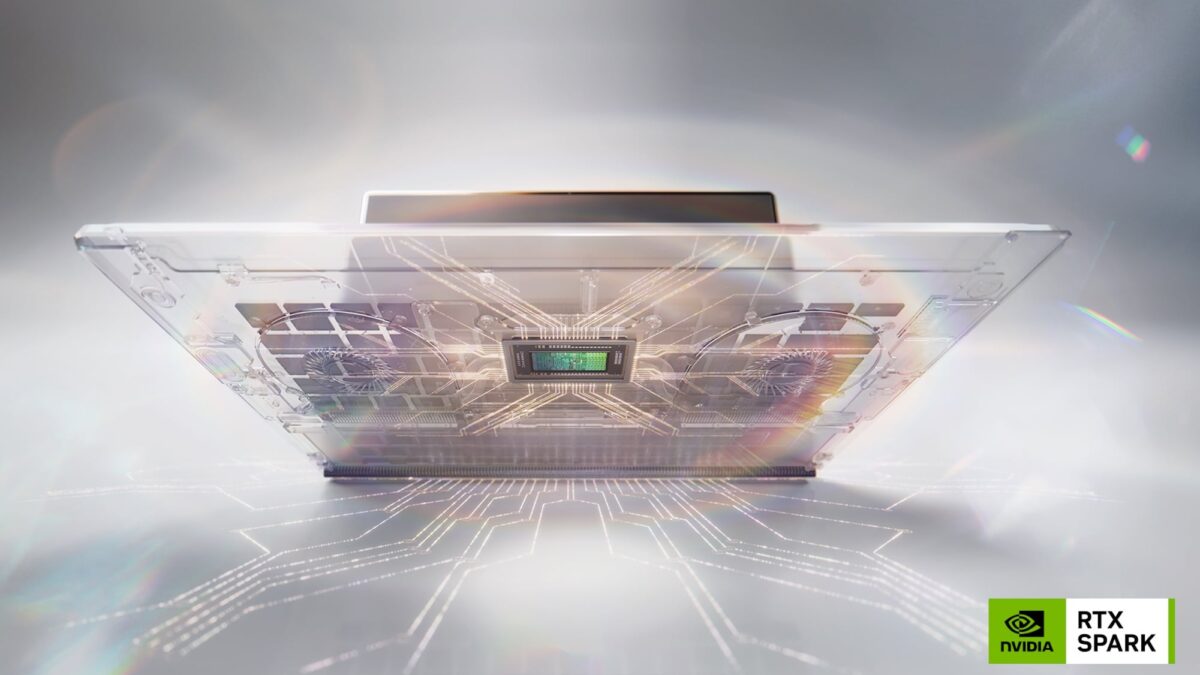
At Computex 2026, NVIDIA didn’t just announce another chip. They handed us the RTX Spark, a superchip that finally bridges the gap between desktop-grade AI horsepower and the portable Windows on Arm laptops we actually want to carry. Here’s how it changes the game for creators, remote workers, and anyone tired of waiting on the cloud.
Why Local AI Processing Finally Feels Real
Most AI laptops today rely on fragmented NPUs that struggle to run anything substantial without phoning home. The RTX Spark flips that script entirely. Built around a Blackwell RTX GPU with 6,144 CUDA cores and a 20-core Grace CPU linked via NVLink-C2C, this architecture pushes unified memory up to 128GB. What does that mean at your desk? You can run 120-billion-parameter language models right on your machine with up to 1 million tokens of context. No lag. No monthly fees. Your data never leaves your desk.
When Jensen Huang said, “For forty years, you launched apps. Click. Type. With RTX Spark, you ask — and the PC does the work,” he wasn’t pitching vaporware. It’s a tangible shift in how we interact with our machines.
Built for the Workflows You Actually Use
Specs are great until they don’t translate to your actual day. NVIDIA knows this, which is why the RTX Spark isn’t sitting in a vacuum—it’s already woven into the software we open daily. Adobe is rebuilding Photoshop and Premiere Pro from the ground up to harness this chip’s architecture. Meanwhile, creators using Blackmagic Design, ComfyUI, and open-source frameworks will notice instant render drops and seamless agent integration.
The partnership with Microsoft goes even deeper. Co-developed NVIDIA OpenShell acts as a secure runtime that keeps AI agents locked to your primary device, giving you granular control over what those agents can and cannot access. It’s the privacy-first architecture that enterprise buyers and everyday power users have been asking for.
The Real-World Perks You’ll Notice Day One
If you’re still on the fence about upgrading your setup, here’s what the RTX Spark actually delivers in your daily grind: • Zero-Lag Creative Workflows: AI masking, video upscaling, and batch photo edits happen in real-time, right on your screen. • Offline Superpowers: Run complex language models, translation tools, and code assistants completely disconnected from the internet. Perfect for travel or dead zones. • Unified Memory Architecture: The 128GB pool lets CPU and GPU share data seamlessly, eliminating the bottlenecks that choke traditional AI laptops. • Trusted Brand Momentum: While others are still explaining what an NPU is, NVIDIA’s decade of GPU and ray-tracing dominance means you’re buying proven performance, not a lab experiment.
Expect to see the first RTX Spark-powered laptops and compact desktops from ASUS, Dell, HP, Lenovo, MSI, and Microsoft Surface hitting shelves this fall. The ecosystem isn’t just promising—it’s already shipping.
Who Actually Needs This Chip Right Now?
Let’s keep it honest: if you only check emails and stream videos, this isn’t your upgrade. But if you’re a video editor tired of render queues, a developer training local models, a designer juggling heavy creative suites, or just someone who values privacy and speed over cloud subscriptions, the RTX Spark is the missing piece. It finally delivers on the AI PC promise without the compromise.
The waiting era for local AI is over. This fall, you won’t just be buying a new laptop—you’ll be buying back your time, your privacy, and your workflow’s peace of mind. When those first RTX Spark units drop, you’ll finally understand why AI was meant to happen on your desk, all along.