

You’re sitting on the couch, ready for a late-night gaming session. You grab your modern Bluetooth pad, hold the pairing button, wait for the LED to sync, and then… miss a crucial jump because of a split-second delay. It’s frustrating. Modern controllers are packed with features, yet they feel bloated, unreliable, and surprisingly slow. If you’ve ever wondered why competitive players and retro enthusiasts still swear by chunky, wired classics from the 90s, you’re about to find out.
The Latency Smackdown: Speed Is a Subtraction Problem
Modern gamepads are essentially mini-computers. They juggle firmware updates, Bluetooth pairing, haptic feedback, and battery management. Every extra layer adds milliseconds of input lag. In a casual co-op campaign, it’s barely noticeable. But in a fighting game, a rhythm title, or a precision platformer, that delay costs you the match. Retro controllers strip away the noise. No wireless radios. No hidden algorithms. Just a direct wired connection that translates your thumb’s movement instantly. When speed is everything, less really is more.
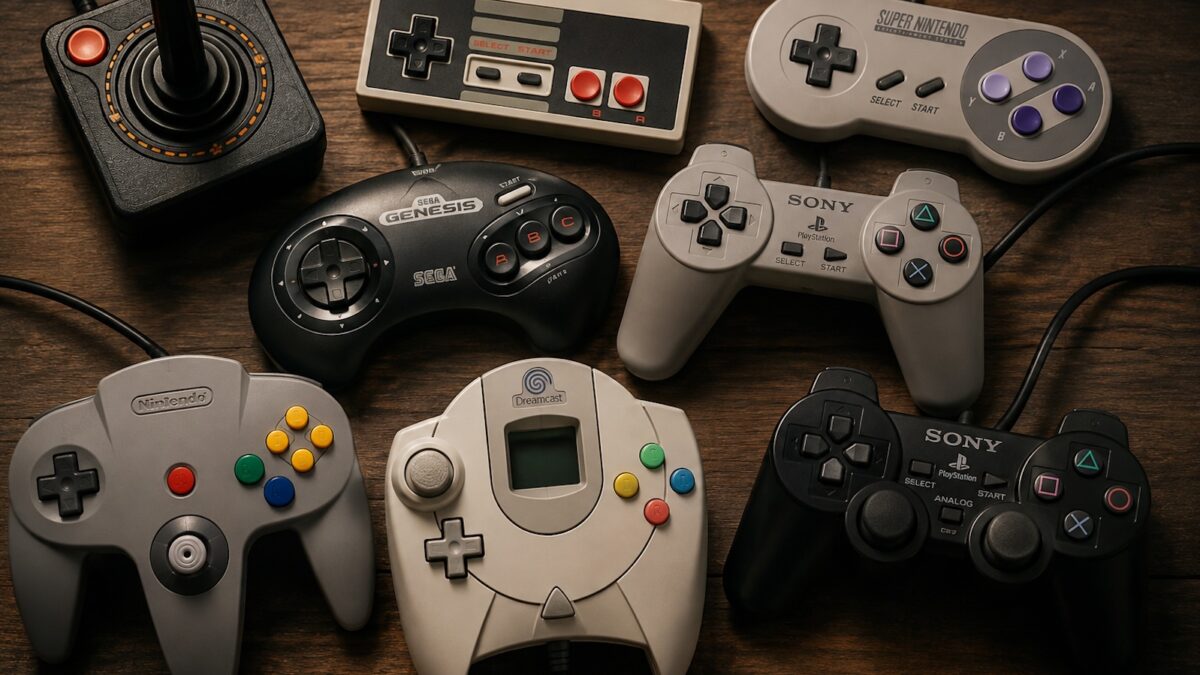
5 Retro Controllers That Modern Pads Can’t Catch
We tested the legends not on nostalgia, but on the stopwatch. The results are brutally honest.
5. Sony DualShock 2 (2000) The blueprint for every pad you’ve held since. With just 2.39ms of lag, it wakes up three times faster than modern wireless controllers even finish booting. The pressure-sensitive buttons were ambitious but rarely used, making this a reliable, no-nonsense daily driver for under $15.
4. Nintendo GameCube Controller (2001)
Famous for its oversized A button and winged grips that Nintendo still hasn’t improved. It delivers ~2.38ms response time. While the analog triggers take some getting used to, the ergonomic shape makes marathon sessions feel effortless.
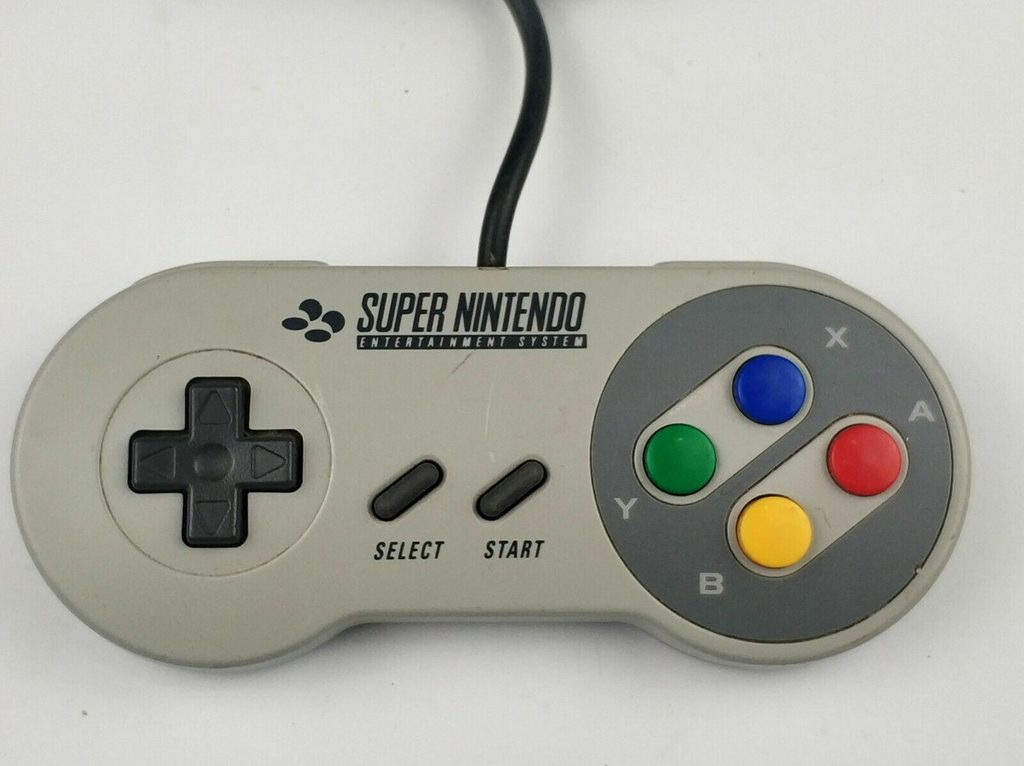
3. Super Nintendo Controller (1990)
The D-pad on this controller remains unmatched in tactile precision. Clocking in at ~1.48ms, it’s not just fast—it’s the reason shoulder buttons exist today. Plug it in, and it’s ready instantly. No pairing, no charging, just pure, unfiltered input.
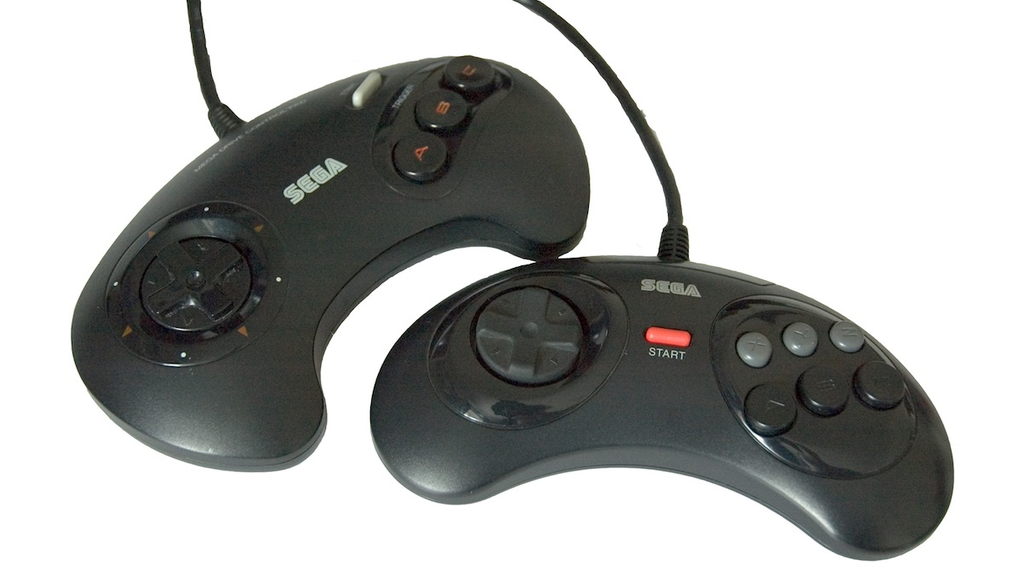
2. Sega Genesis 6-Button Pad (1993) Under 0.91ms of latency. That’s right, sub-millisecond response in the early 90s. Built with fighting game precision in mind, the hardware compatibility mode switch proves you don’t need software patches when you have physical engineering. It’s lightweight, crisp, and brutally responsive.
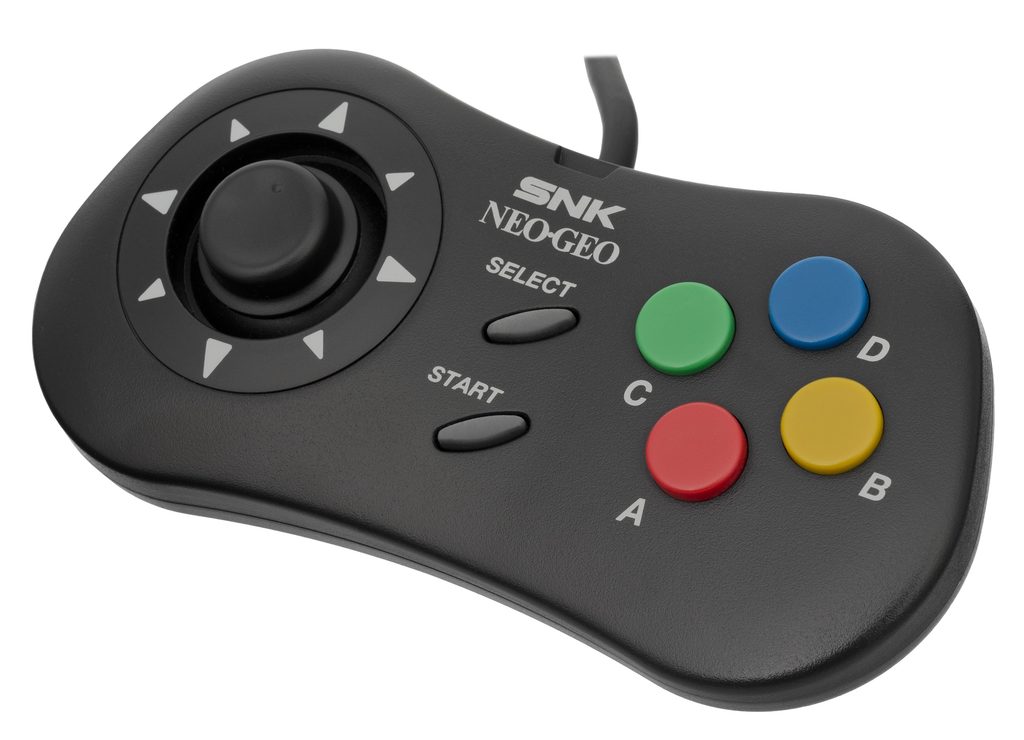
1. SNK Neo Geo AES Joystick (1990)
The undisputed king of speed at ~0.77ms. Built on commercial-grade arcade microswitches rated for millions of presses, there is nothing to drift and nothing to calibrate. While the premium price tag and proprietary connector mean it’s a serious collector’s piece, it sets the absolute gold standard for instant reaction.
Why These Classics Win When It Matters Most
• Zero Wireless Overhead: Cables eliminate Bluetooth interference, polling rate guessing games, and battery anxiety. • Microswitch Precision: Mechanical circuits fire on contact, unlike modern hall-effect sticks or potentiometers that degrade and drift over time. • Plug-and-Play Reliability: No companion apps, no firmware queues, just instant connection to emulators or modern adapters. • Ergonomic Legacy: Decades of real-world playtesting have refined these shells into shapes that actually fit human hands, not just retail displays.
Retro controllers aren’t about chasing nostalgia; they’re about chasing performance. If you play competitive fighters, speedrun platformers, or simply refuse to let a software update dictate your playtime, these wired legends are your answer. Pair them with a quality Brook or 8BitDo adapter, strip your TV’s post-processing, and you’ll feel the difference on the very first press. Stop compensating for modern latency. Plug in, press forward, and reclaim the instant response you actually deserve.