

You know the drill: you strap on your bulky VR headset, and within twenty minutes, the strap is digging into your face, your hair is flattened, and you're counting down the minutes until you can rip it off. It's the classic trade-off—immersive visuals at the cost of sheer physical exhaustion. But what if your next headset felt just like putting on a pair of sunglasses? That’s exactly where Meta's latest leak, Project Phoenix, steps in, promising to completely rewrite the rules of mixed reality.
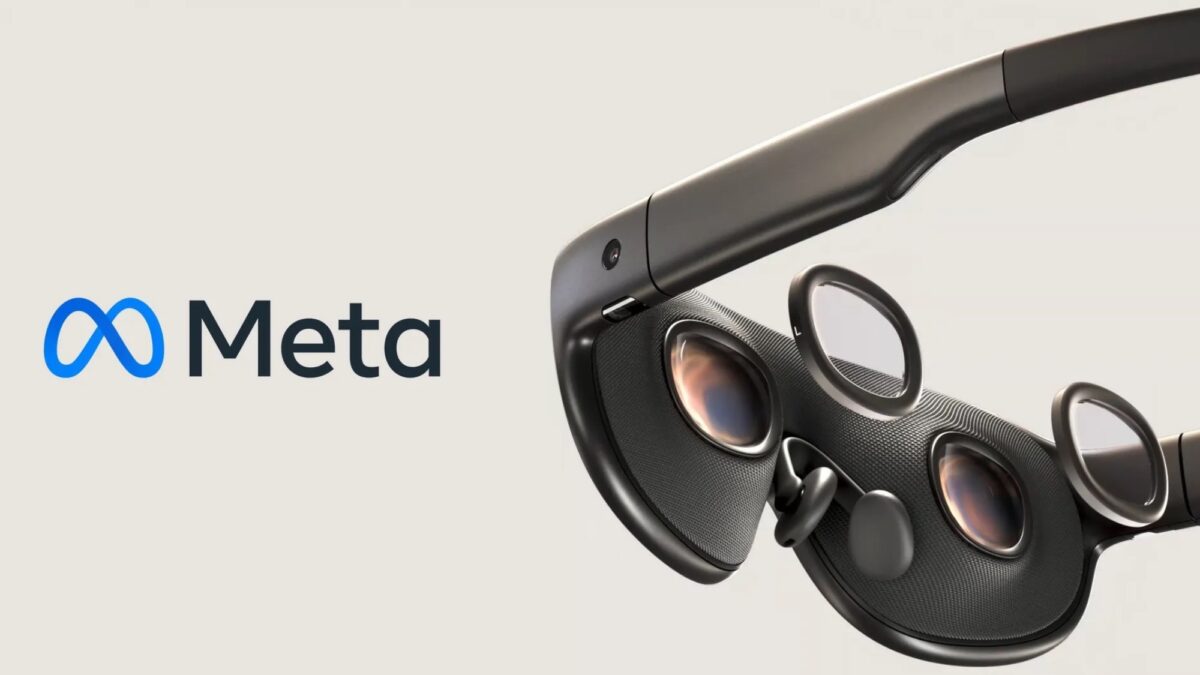
Ditch the Gasket: Glasses-Like Comfort for Real-World Use The moment you look at the Project Phoenix renders, you’ll notice what’s missing: the heavy foam gasket and suffocating strap. Instead, Meta has opted for a sleek design resting on two small, adjustable nose pads, leaving your peripheral vision completely open. It looks and feels less like a VR headset and more like high-end prescription eyewear.
Imagine slipping this on to check virtual monitors during a workday, then keeping it on while walking your dog or grabbing coffee. Because it sits lightly on the bridge of your nose, the "VR hangover"—that sweaty, claustrophobic feeling—is instantly eliminated. Plus, early app leaks show Zenni-branded prescription lenses, proving Meta isn't building a temporary gadget; they’re building a full-time screen replacement.
The Great Trade-Off: 90° FOV vs. Weight You’ll Forget When the leak revealed a 90-degree field of view (FOV), the VR subreddits hit the ceiling. Compared to the Quest 3's 110°, it sounds like a downgrade. But let’s get real: nobody cares about 4K displays when their face is throbbing.
That 90-degree FOV is the exact sweet spot that powered the Quest 2 and the Rift S—devices nobody complained were unwearable back in the day. Meta is trading a sliver of peripheral immersion for a form factor that likely hovers around the 100-gram mark. You get crisp Micro-OLED displays sitting millimeters from your eyes, without the 500-gram anchor dragging your head down.
The Cable is the Secret to All-Day Battery Life So where did the weight go? Look closely at the render, and you'll see a thin cable trailing from the left temple, dropping behind the ear, and heading straight to a compute puck in your pocket.
While clipping a battery to your belt might feel like a step back to 2010 tech, it's the ultimate cheat code for comfort. By offloading the silicon and battery to a pocket-sized puck, Meta ensures the glasses stay featherlight and cool, even during intense spatial tracking or heavy multitasking. With 10 sensors (including eye tracking and passthrough) distributed across the frame, the heavy lifting happens safely away from your face.
Who Should Keep an Eye on Project Phoenix? Meta Connect 2026 is just around the corner, and with a session dedicated to controller-free interaction, Phoenix is clearly built for hands-free, all-day use. This isn't just a toy for gamers; it's a dream machine for remote professionals who need expansive virtual screens without the neck pain, and for tech enthusiasts who refuse to sacrifice style for specs.
If you’ve ever given up on mixed reality because it was just too heavy or too hot, Project Phoenix is the wake-up call you’ve been waiting for. Are you ready to trade the bulky helmet for the future of smart eyewear?