

My morning starts the exact same way yours probably does. The alarm buzzes, I grab my phone, and before I can even check the weather, a WhatsApp ping pulls my thumb in another direction. Then it’s an email. A breaking news headline. Four minutes later, I’m still squinting at a half-loaded homepage, wondering why I even picked up the device. It’s not that I’m disorganized; it’s that my phone forces me to hunt for everything. And that’s exactly why the latest Samsung One UI 10 leaks around the new Fluid AI design feel like a much-needed breath of fresh air.
When Your Phone Finally Anticipates Instead of Reacts
Early this week, reliable leakers hinted at Samsung’s upcoming Fluid AI design system, a concept Samsung quietly validated after sweeping up Red Dot awards for design excellence. Instead of staring at a rigid, unchanging grid of app icons, imagine your home screen dynamically reshaping itself based on your time, location, and daily habits.
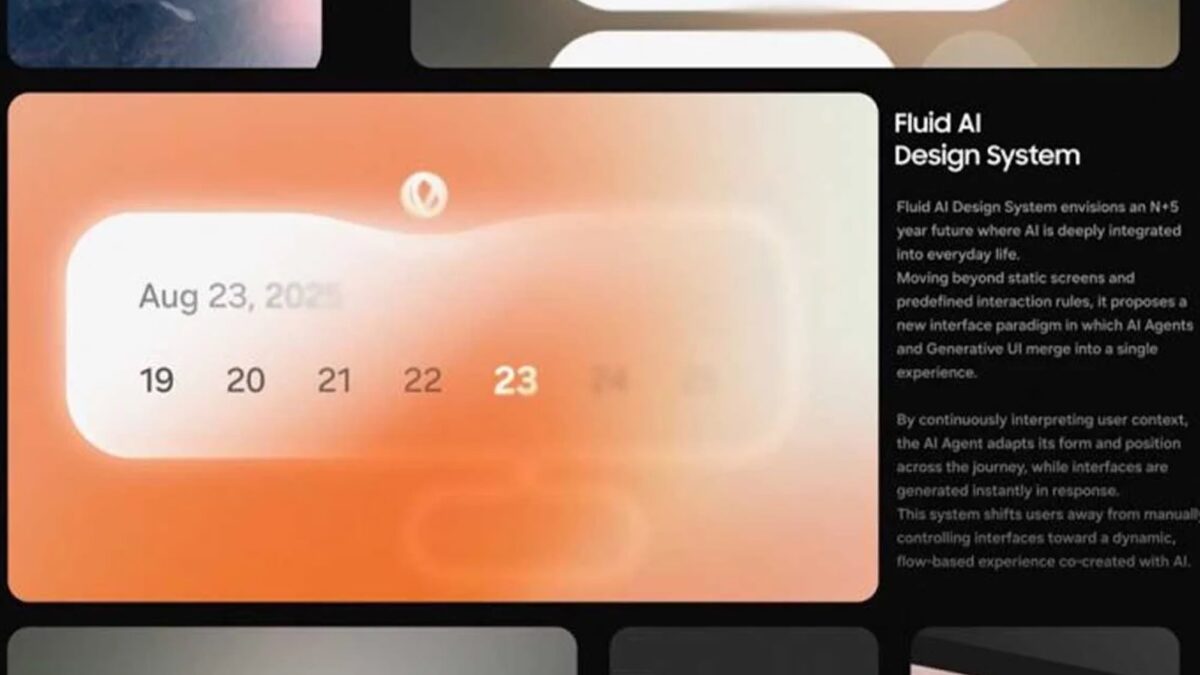
This isn’t just a prettier skin. It’s a proactive AI smartphone interface engineered to pull together your calendar blocks, live traffic conditions, unread messages, and local weather forecast into a single, glanceable view. If you’re juggling work deadlines and family errands, you already know how quickly context-switching drains mental energy. Fluid AI aims to stitch those fragmented pieces together before you even have to tap a single icon.
Why a Generative Home Screen Actually Matters
Let’s be honest: smartphone interfaces have barely evolved their core layout in nearly two decades. We still manually navigate through layers of menus just to piece together basic information. The Galaxy AI features we’ve grown used to are mostly reactive—you type a prompt, and the phone drafts a reply. But the One UI 10 leaks point toward something fundamentally different: an interface that moves before you ask.
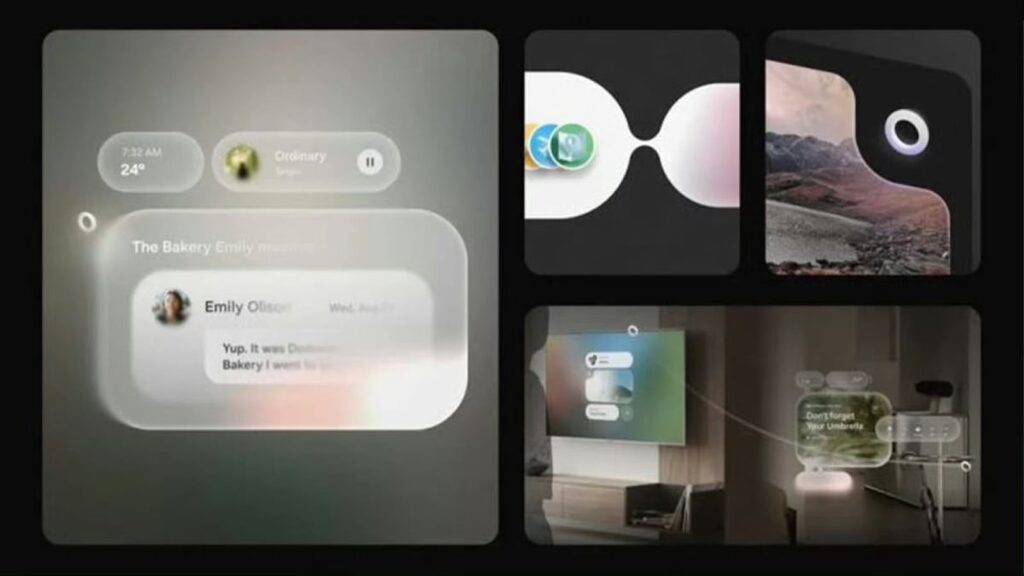
Here’s what this generative shift actually delivers to your daily routine:
- Routine-Aware Layouts: The system learns your patterns. It surfaces your navigation and calendar at 8:15 AM for your commute, then auto-shifts to messaging and document apps once you settle at your desk.
- Zero-Search Context Delivery: AI agents interpret your intent and bundle essentials into a unified dashboard. No more opening four separate apps to plan one afternoon.
- Distraction Reduction: By showing only what’s relevant to your immediate context, it actively breaks the “unlock-and-doomscroll” loop that quietly eats up your focus.
- Seamless Workflow Continuity: Jumping between tasks no longer means losing your mental thread. Related information stays visually anchored, keeping your workflow smooth and intentional.
Built for the Way We Actually Live
Think about your average Tuesday. You’re mentally mapping out grocery pickups, client check-ins, school drop-offs, and evening plans. Right now, that means juggling Maps, Reminders, Slack, and Notes—memorizing fragments hoping you don’t drop the ball. With a proactive phone UI, that friction simply vanishes. The interface knows you need to leave in ten minutes, flags a detour on your usual route, preps a quick “running late” template, and quietly reminds you about your recurring order.
It’s not about stacking on more tech gimmicks. It’s about making your device quieter, sharper, and genuinely useful. The Fluid AI design concept doesn’t hand you extra buttons to press; it strips away the digital noise so you can finally focus on the people and tasks right in front of you.
The Verdict: Worth the Upgrade?
While Samsung hasn’t officially locked in every detail, the trajectory is undeniable. Smartphones are finally graduating from passive toolboxes to active lifestyle companions. If you’re a busy professional, a working parent, or anyone exhausted by notification sprawl and fragmented workflows, this generative interface evolution is exactly what’s been missing from the mobile space.
We spend hours staring at these screens daily. It’s about time the interface started working with your rhythm instead of fighting it. When Fluid AI officially rolls out, your phone won’t just respond to you—it’ll actually keep up.