

You stare at a mountain of unread Slack messages, a calendar packed with overlapping meetings, and a half-finished project deadline hovering like a storm cloud. We’ve all been there. You know AI can help, but setting up another chatbot feels like hiring an intern who needs constant supervision. What if your digital assistant actually remembered how you work, ran tasks in the background, and handled the boring errands without you babysitting every step?
That’s exactly what the new wave of always-on AI personal agents promises. After testing both OpenAI Dots and Meta Muse through real daily workflows, the difference isn’t just about features—it’s about how each agent fits into your actual life.
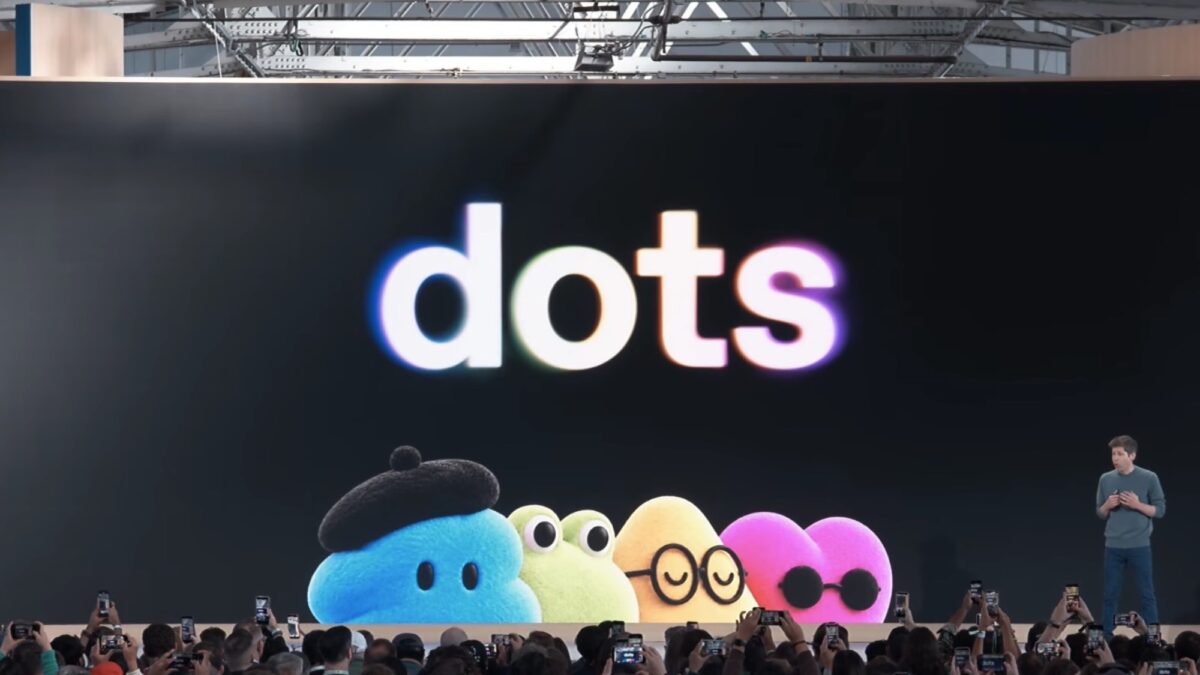
OpenAI Dots: The Assistant That Already Knows Your Workflow If you’ve spent years training ChatGPT on your writing style, preferred formatting, and project habits, Dots doesn’t start from zero. It pulls years of ChatGPT memory into a persistent agent that runs in the background across 4,000+ connected apps. You can trigger it from Slack, Teams, or your desktop while you keep typing.
Here’s what stands out:
- Deep context continuity: It already knows how you trim headlines, which words you hate, and your recurring workflow patterns.
- Multi-app orchestration: Draft show notes, clip audio, queue social posts, and manage cloud tasks without interrupting your main screen.
- Granular permission controls: Every Custom Rule offers four safety levels, from full autonomy to handing tasks back to you. Password changes never leave your hands.
Dots is built for desk-bound professionals, developers using Codex, and anyone outside the US who wants a serious digital colleague. It’s not perfect—launch week felt a bit undercooked, and background tasks are read-only for now—but the foundation is rock-solid for knowledge workers.
Meta Muse: The Errand Runner That Actually Makes Phone Calls Meta’s approach is different. Muse shines when tasks leave your screen and enter the real world. Need to call your dental insurer, sort out a Marketplace pickup, or adjust a training plan when life gets chaotic? Muse handles the phone calls. You can even pick its voice (Brett or Hailey), and it sits through hold music, passes security questions, and connects you to a rep.
Why users are hooked:
- Real-world errand automation: Phone calls, shopping checkouts via Shopify, and personal task adjustments that adapt to your changing schedule.
- Transparent paper trail: Muse won’t send emails or process payments without your explicit approval, and every action is logged.
- Rapid setup: One-tap Instagram login, no paywall, and it’s live in under a minute (US only, for now).
The catch? Privacy concerns run deep. Early users flagged address leaks, and Amazon blocked Muse within weeks. A separate Sentinel agent is supposed to review outgoing actions, but trust takes time. Until Meta rolls out its Confidential VM with user-held encryption, I wouldn’t hand it my bank login.
Which AI Personal Agent Actually Saves You Time? The real question isn’t which one is “better”—it’s which one matches your daily rhythm. Dots wins if you live inside ChatGPT, code daily, or manage complex multi-app workflows. Muse takes the lead when your week is filled with phone calls, errands, and real-world coordination. Both demand a cautious rollout. Start with low-stakes tasks, watch the Activity View, and let trust build naturally.
If you’re drowning in screen-bound work and crave an AI that already knows your habits, OpenAI Dots is your next upgrade. If your week runs on phone calls and real-life coordination, Meta Muse will quietly clear your backlog. Either way, the era of babysitting chatbots is over—your AI personal agent is finally ready to work while you focus.