

You’ve been waiting for a foldable that doesn’t feel like carrying a tiny tablet in your jeans. You want a bigger screen for reading on the train, yet you refuse to sacrifice one-handed comfort or pocket space. At $1,899, the hesitation is completely justified. So when two industry heavyweights drop their latest contenders on the exact same price point, the real question isn’t “which specs win on paper?” It’s “which phone actually survives your Tuesday commute, beach weekend, and midnight scrolling?”
After spending weeks testing both side-by-side in real-life routines, the answer finally clicked. Here’s the unfiltered breakdown.
The Pocket Test: Why Screen Shape Changes Everything
Spec sheets talk about aspect ratios, but your thumbs care about reach. The Galaxy Z Fold8 finally cracked the everyday code with its 10:16 closed screen. At just 5.5 inches when folded, it behaves exactly like a normal phone. Typing quick replies on a crowded platform no longer feels like stretching your thumbs across a canyon.
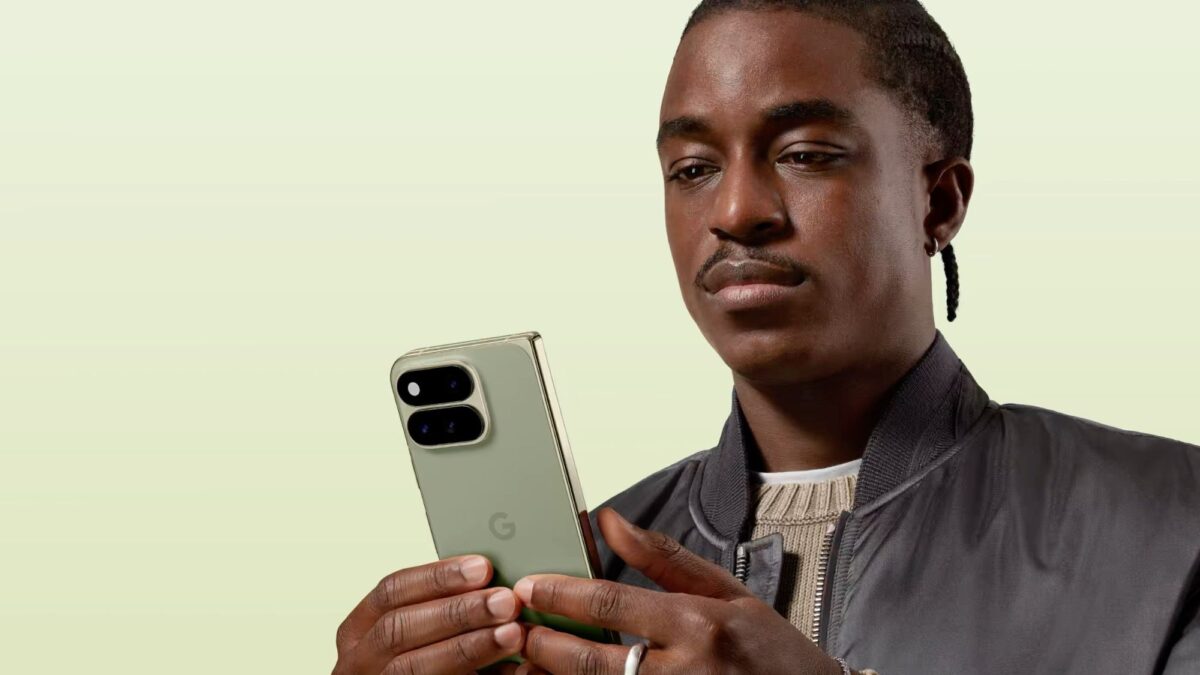
Google kept a taller 6.5-inch cover display on the Pixel 11 Pro Fold. It’s brilliant for drafting long messages or doomscrolling feeds, but the boxier 8-inch inner panel usually demands two hands. Samsung takes the closed-pocket round. If you live life on one hand, the Fold8’s proportions just feel right.
Software Meets Reality: App Compatibility That Doesn’t Break Your Flow
A unique screen shape is only a problem when apps refuse to play nice. Early Fold8 users still report awkward cropping on social feeds or stubborn refusal to rotate on certain shopping apps. Google’s approach here is quietly brilliant: the Pixel’s outer screen uses a familiar, developer-friendly shape. It means fewer stretched interfaces, smoother split-screen multitasking, and zero guessing when you flip it open. If you hate fighting your phone’s UI, the Pixel’s layout simply behaves.
Beyond the Zoom: Durability That Actually Means Something
Let’s talk about where you’ll actually take these phones. Samsung’s Fold8 carries an IP48 rating—great for a sudden rainstorm, but vulnerable to fine sand or festival dust. That’s a risky gamble with a precision mechanical hinge.
The Pixel 11 Pro Fold holds onto full IP68 protection. That single spec turns a weekend by the sea or a muddy outdoor gig into a non-event. Add a dedicated 10.8 MP telephoto lens and a 30x Super Zoom mode, and you’re capturing clear shots of your kid on stage from row twelve instead of cropping a blurry wide angle into digital soup.
Power, Thermals & The 11 PM Charging Routine
Peak performance is meaningless if the phone turns into a hand warmer after fifteen minutes. Samsung’s custom silicon benchmarks beautifully, but the ultra-thin 4.5 mm chassis struggles to dissipate heat during heavy navigation or outdoor streaming. The Pixel’s Tensor G6 might not win synthetic speed races, but it prioritizes sustained efficiency, keeps thermals in check, and launches apps roughly 15% faster in daily use.
Then there’s the nightly ritual. The Fold8 charges faster at 45W wired, but the Pixel’s Qi2.2 magnetic alignment is an underrated quality-of-life upgrade. Just drop it on the pad and walk away. No fumbling in the dark to align wireless coils.
Quick Verdict: Core Benefits at a Glance
- True one-handed control: Samsung’s 10:16 ratio brings back pocketable ergonomics without sacrificing inner screen real estate.
- Zero-compromise durability: Google’s IP68 rating laughs at dust, sand, and accidental spills.
- Telephoto advantage: 30x optical-quality zoom for concerts, travel, and distant details.
- Frictionless charging: Qi2 magnets guarantee perfect alignment and stress-free overnight top-ups.
- Longevity guarantee: Seven years of clean Android updates with zero bloatware.
Who Should Take Which Foldable Home?
If your days are packed with commutes, you binge on media in landscape, and you crave the lightest possible pocket profile, the Galaxy Z Fold8 earns every dollar. It finally feels like a regular phone that gracefully unfolds into a pocket tablet.
Choose the Pixel 11 Pro Fold if your weekends involve sandy trails, live venues, or if you simply want a foldable that works reliably without demanding compromises on camera reach or long-term software peace of mind.
Both sit at $1,899, but they solve completely different daily problems. Stop comparing spec sheets and ask yourself where the phone actually lives: in your pocket, or in your hands. Pick the one that matches your routine, and you’ll wonder why you waited two years to make the switch.