

Picture this: It’s Friday night, your living room TV is claimed by a family movie marathon, and your favorite PS5 quest is left paused on the console. You pack a bag for a weekend trip, hop on a train, and realize your usual gaming setup just isn’t cutting it. Sound familiar? Choosing between the PlayStation Portal and Nintendo Switch 2 isn’t about memorizing spec sheets—it’s about figuring out which one actually fits your daily rhythm. Do you need a reliable travel companion, or a flawless second screen for when the main TV is busy? Let’s break down what really matters before you spend another dollar.
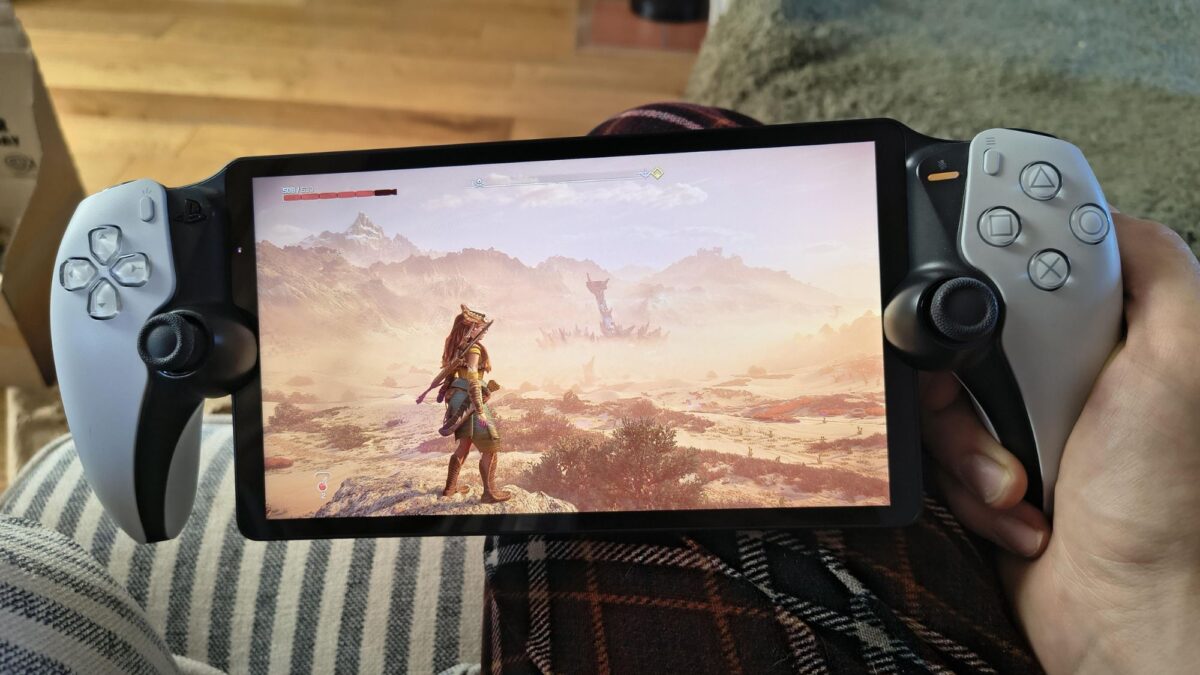
Stream vs. Standalone: Where You Actually Play The biggest divide isn’t the screen size or the buttons—it’s how each device actually connects to your games. The PlayStation Portal works as a streaming window. It pulls every single frame from a home PS5 or Sony’s cloud servers. That means it shines when you’re lounging in the bedroom, waiting for your turn on the couch, or playing during a quick afternoon break. Racing games and slow-paced RPGs handle beautifully. But the moment you step into a coffee shop, a hotel lobby, or anywhere with a restricted network, you’ll hit a wall. Public Wi-Fi logins require a web browser to complete, and the Portal simply doesn’t have one. You can patch this with a portable travel router, but that just adds extra gear to your bag.
The Nintendo Switch 2 flips the script entirely. It runs games on dedicated hardware, stores them locally, and never asks for a steady internet connection. If your routine involves flights, long commutes, or unpredictable home Wi-Fi, local processing isn’t just a bonus—it’s a lifeline.
Battery Reality: What Owners Actually Report Before diving into real-world usage logs, I assumed the standalone console would easily outlast a streaming screen. The actual feedback tells a different story. Because the Portal isn’t rendering complex 3D graphics locally, it manages power surprisingly well. • Expect a solid 4 to 5 hours of smooth play on a single charge • Drop the brightness or stick to lighter titles, and 6 to 8 hours is completely achievable • Heavy cloud streaming with full haptics pushed on? You’re looking closer to 3 to 4 hours • Quick note: Some users report minor standby drain, so keeping it plugged in between long sessions is smart
The Switch 2 is heavily dependent on the game you’re running. Demanding first-party titles usually drain it into the 2 to 4 hour window, while indie or retro games stretch it further. Many owners keep a slim power bank nearby just in case. If unplugged freedom is your top priority, both need a backup plan, but the Portal’s lighter internal workload gives it a slight edge during casual, low-latency sessions.
Controller Grip & Long-Hour Comfort Comfort is the silent dealbreaker nobody highlights on marketing pages. Holding the Portal feels exactly like splitting a PS5 DualSense controller in half around an 8-inch display. You get full-size grips, highly responsive adaptive triggers, and immersive haptic feedback that actually pulls you into tension-heavy moments like drawing a bow or braking on a wet track. The trade-off? DualSense stick drift is a known long-term concern, and the Portal shares the same internal stick setup. It’s something to weigh if you game for hours on end.
Switch 2’s redesigned Joy-Cons are noticeably larger now, with stronger magnetic alignment and a dedicated chat button. They’re a massive step up, but they still can’t match the Portal’s console-grade ergonomics. If shoulder and wrist comfort rank high for you, the Portal takes this round decisively.
The Real Cost: What You Pay vs. What You Keep Upfront pricing only tells half the story. At $249, the Portal looks like an absolute steal—if you already own a PS5. But factor in a PlayStation Plus Premium subscription ($160/year) for reliable cloud access, and by year two, you’ve easily crossed $500 in total spending without ever owning the console itself. Plus, catalog games can rotate out without warning.
The Nintendo Switch 2 asks for $449 upfront (climbing to $500 by September 2026), but it’s yours forever. Physical cartridges or digital purchases stay in your library without a monthly toll. You buy it, you keep it. For players who hate subscription rot and want permanent access to exclusive titles like Mario Kart or Donkey Kong, the Switch 2’s long-term value is undeniable.
Which One Actually Fits Your Weekend? Both devices solve entirely different problems. Here’s the quick breakdown: • Choose the Portal if: You already own a PS5, game primarily at home on solid Wi-Fi, and just want a seamless second screen without fighting for TV time • Choose the Switch 2 if: You travel often, refuse to rent your games via subscription, crave zero-latency competitive play, and want true go-anywhere flexibility
Choosing between these two isn’t about chasing the highest benchmark score—it’s about matching your actual gaming habits. The PlayStation Portal is a brilliant home extension, perfect for PS5 loyalists who want effortless couch-to-bedside play without cable clutter. The Nintendo Switch 2, meanwhile, is the true powerhouse, rewarding players who value offline stability, permanent game ownership, and console-grade adaptability. If you’re ready to ditch subscription headaches and play wherever life takes you, the Switch 2 delivers exactly that. Pick your pace, grab the right screen, and step into your next favorite gaming session.