

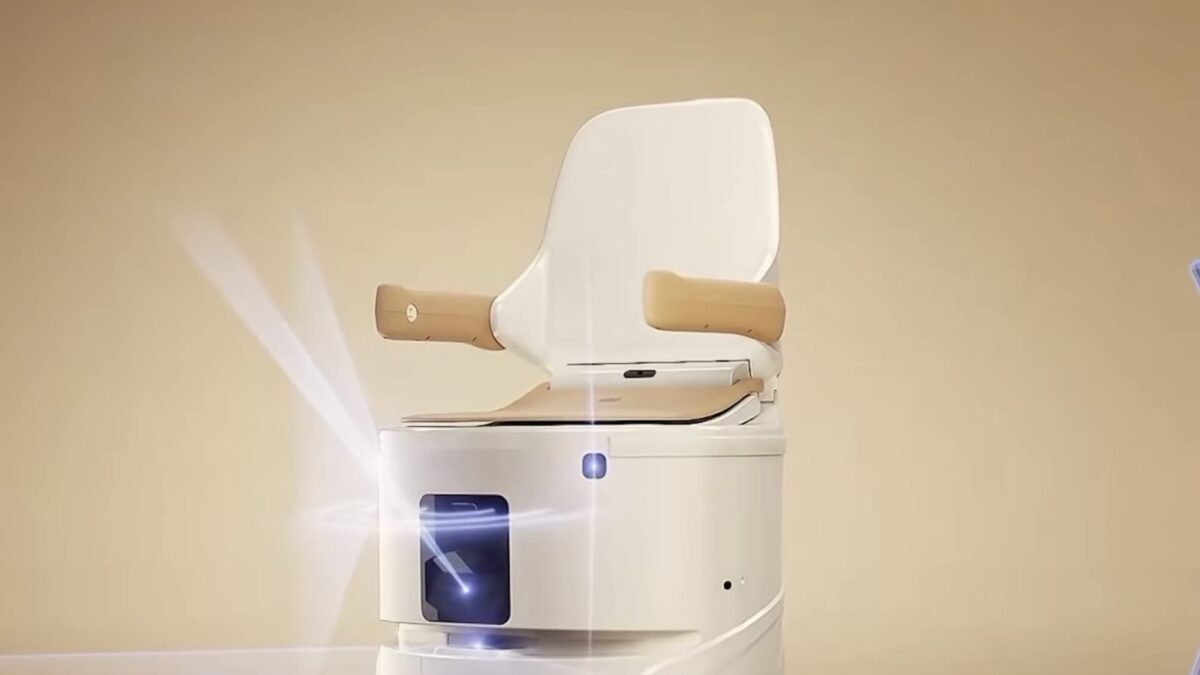
It’s 2 a.m. The house is quiet until a faint, hesitant voice calls from the hallway. You’ve heard it before. Getting an aging parent or a mobility-challenged loved one to the bathroom shouldn’t feel like a logistical marathon, yet the physical strain of transferring, assisting with hygiene, and managing cleanup quickly becomes the silent breaking point for family caregivers. If you’ve ever searched for “dignified toileting solutions for seniors” or “how to reduce caregiver back strain,” you’re not alone. The answer isn’t another clunky commode or heavier lifting gear. It’s a smarter, quieter approach. Enter the Xiaoban, a self-driving toilet from Yueban that actually comes to you.
Why Traditional Bathroom Routines Exhaust Families (And What Changes Now)
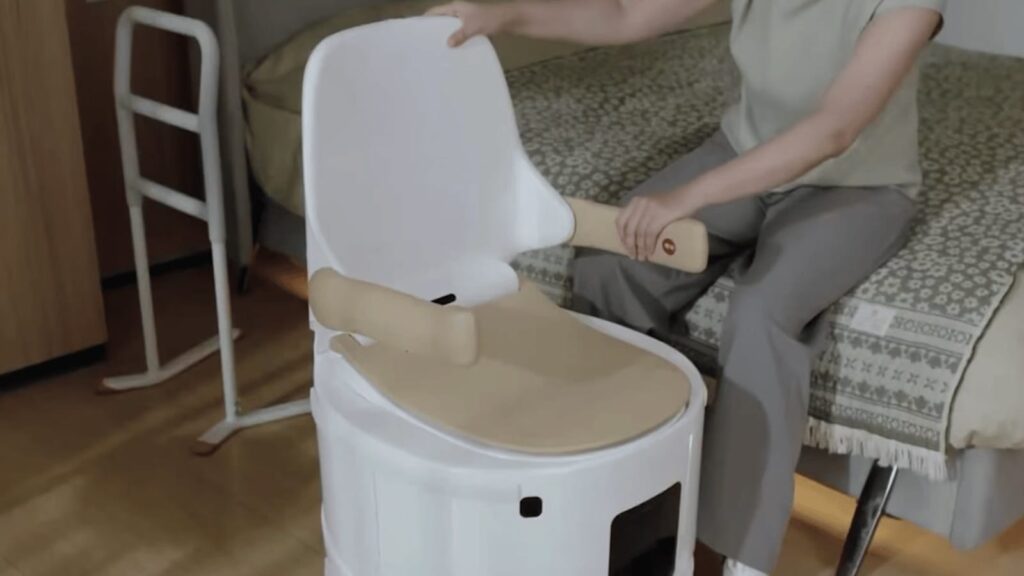
Caring for someone with limited mobility means repeating the same physically demanding routine multiple times a day. Transferring weight, managing spills, and constantly monitoring for falls drains both energy and patience. Most assistive devices feel institutional or awkward to place in a living room. Xiaoban flips that script by borrowing modern robotics navigation and pairing it with clinical-grade comfort. Instead of walking a fragile person down a narrow corridor at midnight, the device autonomously maps your floor space, avoids furniture, and docks precisely beside the bed or chair. The heavy lifting is replaced by smooth, motorized transitions.
Autonomous Navigation Meets Clinical-Grade Hygiene
The Xiaoban isn’t just a toilet on wheels. It’s built around a refined lidar and ultrasonic sensor system that responds instantly to a remote press or simple voice command. Once positioned, the real value shows in the cleanup phase. The integrated bidet delivers temperature-controlled water flow with adjustable pressure, followed by a gentle warm-air drying cycle. No scrubbing, no awkward maneuvering, and significantly less skin irritation for sensitive users.
Here’s what that translates to in daily practice: • Hands-Off Positioning: Summon it from anywhere in the room without pushing, lifting, or rearranging furniture. • Sealed Waste & UV-C Sanitization: The system neutralizes bacteria internally while an airtight compartment locks in odors before disposal. • Flexible Drainage Options: Dock it at a plumbing-ready charging station for automatic flushing, or let the integrated robotic arm pump waste directly into any standard household toilet. • Dignity-First Ergonomics: Stable seating, automated lid controls, and discreet operation mean users feel independent, not managed.
The $4,300 Question: Is It Worth the Investment?
Let’s talk numbers. At $4,300, the Xiaoban sits firmly in the premium assistive-tech tier. But context matters. The average annual cost of assisted living in the U.S. hovers around $54,000, and delaying facility placement by even three or four months easily offsets the upfront price. For families, this isn’t about buying a gadget—it’s about buying back sleep, protecting your spine, and preserving the emotional bond that fractures under exhausting care routines. It won’t fully replace professional caregivers, but it dramatically lightens the overnight and early-morning load that pushes most families past their limit.
Who Should Bring This Into Their Home?
This system shines for households managing post-surgery recovery, progressive joint or neurological conditions, or early-stage aging where staying in a familiar environment is the top priority. While U.S. distribution and insurance reimbursement pathways are still expanding, the hardware itself is fully calibrated for real-world residential layouts. Setup requires a clear floor path and access to either a plumbing dock or a nearby standard toilet. Once mapped, it operates quietly in the background, stepping in exactly when the physical toll becomes too heavy to manage manually.
The Xiaoban quietly redefines what aging in place actually looks like. By merging autonomous navigation, medical-level hygiene, and intuitive controls, it removes the most physically and emotionally draining task from the caregiving equation. If you’re managing mobility limitations at home, prioritizing long-term dignity over outdated commodes, or looking for a sustainable way to protect both your back and your peace of mind, this isn’t just a bathroom upgrade—it’s a lifeline. Stop bracing for the next midnight bathroom crisis. Bring independent care exactly where it belongs: safely, privately, and completely automated.