

It's 2 PM on a Tuesday. You've had two coffees, a stressful meeting just ended, and your chest feels tight. You know you should check your blood pressure, but dragging out a bulky cuff from the medicine cabinet feels like a chore. Or maybe you're waking up exhausted every morning, wondering if your late-night doom scrolling is ruining your recovery but having no data to prove it.
We've all been there—wanting better health insights without the hassle. That's where smart rings like the Signal Ring and Oura Ring 5 step in, promising to track your vitals right from your finger. But which one actually solves your problem?
1. The Specialist vs. The Generalist
The biggest takeaway from testing these two is that they live in completely different worlds.
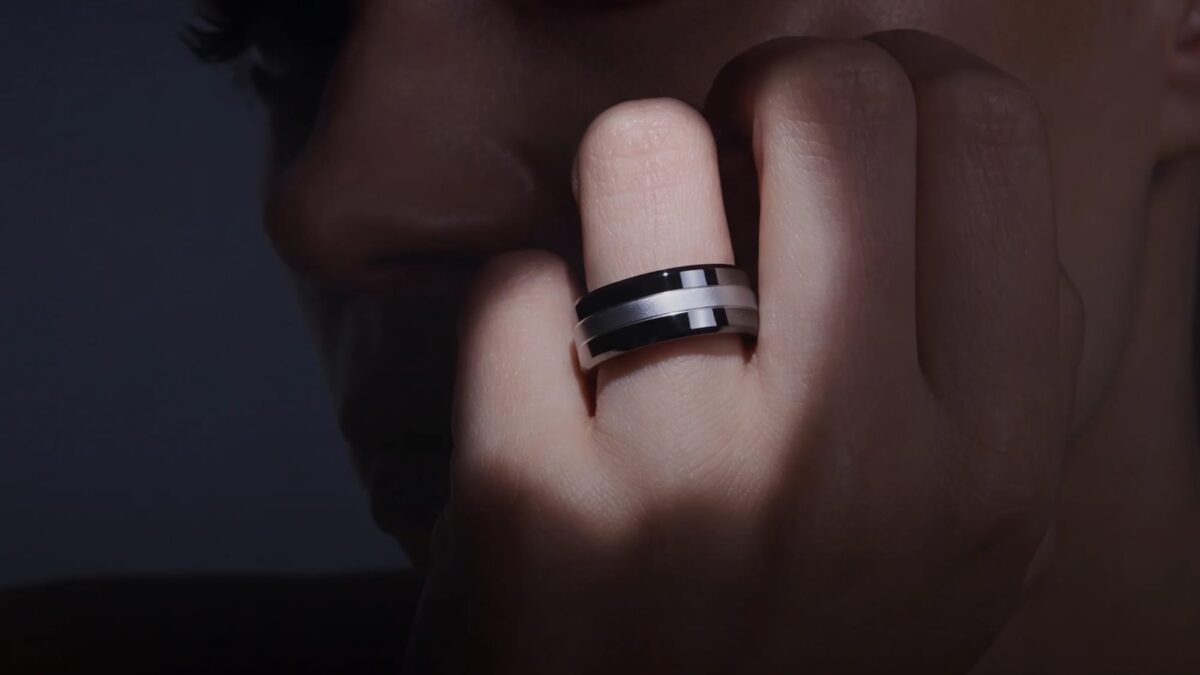
- Signal Ring: This is a specialist. It was born from a scary hospital visit (the founder had a systolic reading of 250!), and it's designed to do one thing exceptionally well: give you actual blood pressure readings. No cuff, no calibration. Just data.
- Oura Ring 5: This is your personal health dashboard. It covers sleep, recovery, stress, and now hints at blood pressure trends. It's not a replacement for a doctor's visit, but it's the best all-around coach you can wear.
2. Real Blood Pressure vs. Cardiovascular Trends
If you are tracking hypertension, the Signal Ring is a game-changer.

Unlike others that just guess, Signal uses optical sensors to provide numbers validated against ISO standards. It even logs context—did you just run? Are you stressed? It helps you see exactly why your numbers move.
On the other hand, Oura Ring 5 offers "Blood Pressure Signals." It tracks changes in blood flow and vessel behavior overnight to flag cardiovascular strain. It's a brilliant early warning system, but it's not a number you can write down for your GP.
3. Sleep, Recovery, and Daily Wear
When it comes to living with the device, Oura Ring 5 shines.

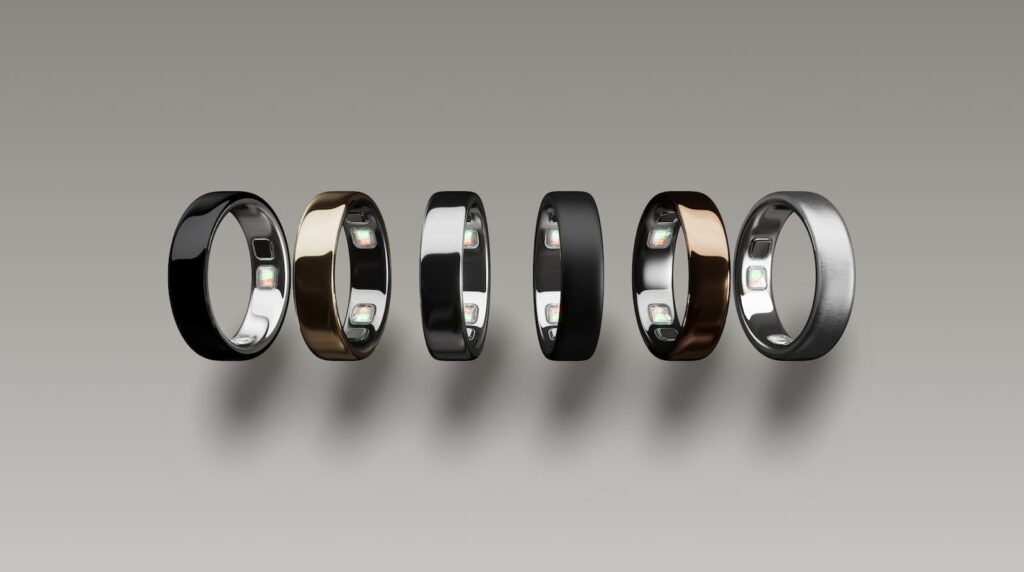
- Comfort: The Ring 5 is 40% smaller than its predecessor and weighs as little as 2g. You'll forget it's there.
- Battery: It lasts 6 to 9 days, leaving the Signal Ring's 3-day life behind.
- Actionable Data: Oura's app gives you a Readiness Score, Sleep Score, and even Nighttime Breathing tracking. It tells you if you're ready to crush a workout or take a rest day.
The Signal Ring, while stylish in titanium, is strictly for the data it provides. It won't count your steps or score your sleep.
4. The Cost of Ownership
Both start at $399, but the hidden costs differ.
- Signal Ring: No subscription. You pay once, and the app is yours. However, expect to charge it twice a week.
- Oura Ring 5: Costs $5.99/month (or $69.99/year) for full insights. But you get a mature ecosystem, longer battery, and a smaller footprint.
Final Take
So, which one lands on your finger?
If a doctor has ever told you to watch your blood pressure, the Signal Ring is your new best friend. It bridges the gap between sporadic doctor visits and daily life, giving you peace of mind and real numbers.
But for most of us, the Oura Ring 5 is the ultimate upgrade. If you want a single wearable that understands your sleep, tracks your stress, gives you recovery tips, and keeps an eye on your heart health trends, this is the one. It's not just a ring; it's a smarter way to live.
Ready to take control of your health data without the cuff? Oura Ring 5 and Signal Ring aren't just gadgets—they're the investment your future self will thank you for.
Which one speaks to your health goals today?