

Picture this: It's pouring rain, your hands are full of wet groceries, and a delivery driver is already waiting. You can't fumble for keys, and peering through the scratched peephole only gives you a distorted, useless view. Sound familiar? We all crave that seamless entryway experience where a glance identifies the visitor and a tap opens the door. But when searching for the best smart lock with camera, the real question isn't just about features—it's whether you truly want one device doing two jobs, or a dedicated power duo.
The All-in-One Temptation: Convenience Meets Compromise
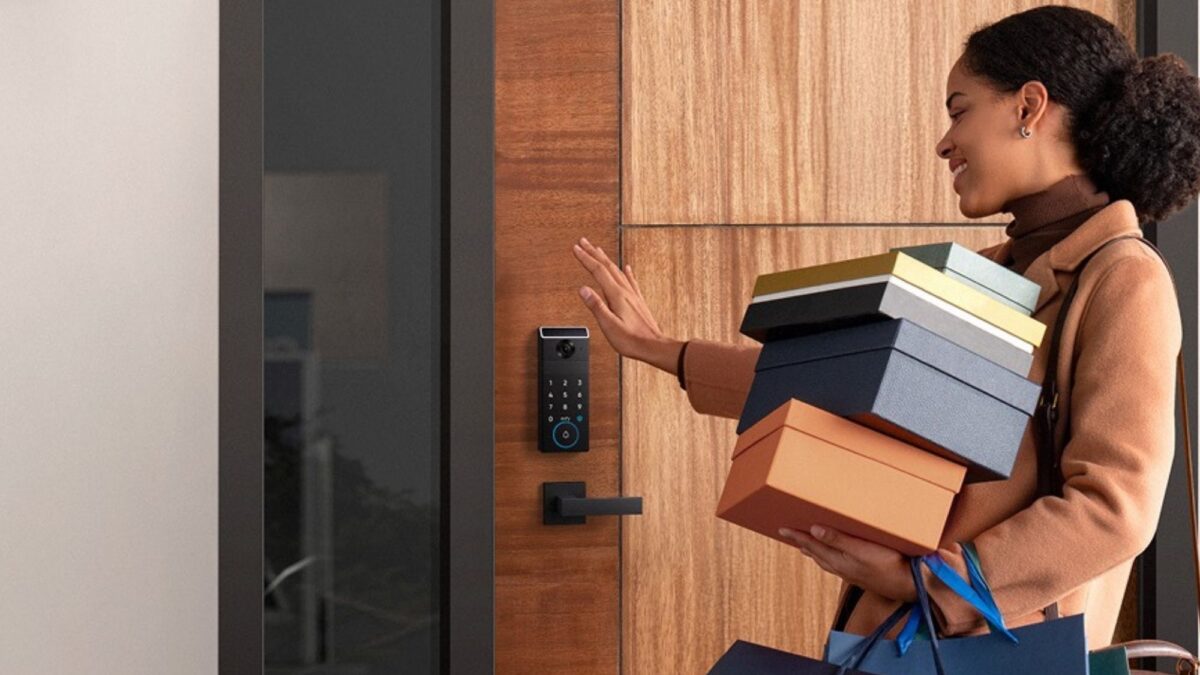
Devices like the Eufy FamiLock S3 Max are undeniably sleek. By cramming a camera, a 4-inch internal display, and palm vein scanning into the lock body, it solves the "no-wiring" headache perfectly. For homes without an existing doorbell transformer or a usable peephole, this is a brilliant fix. The internal screen is a game-changer for families; kids can see who's knocking from inside without needing a smartphone. Plus, the vein scanning is incredibly fast and secure, mapping the network beneath your skin to unlock in about a second without uploading biometric data to the cloud.
However, physics gets in the way. A courier is trained to look for a doorbell at chest height. The FamiLock places its button and camera at waist level, down by the deadbolt. It's easy to miss, and finding a package dropped on the porch becomes a guessing game.
Why the Split Setup Dominates Security and Reliability
If you have existing chime wiring, splitting the setup between a Google Nest Doorbell (Wired) and a robust lock like the Schlage Arrive often wins out. Here is why the separate route creates a smarter home:
- Superior Camera Angle & Findability: Doorbells have lived at eye/chest level for a century for a reason. A dedicated camera captures the entire porch and the visitor's face clearly, rather than just capturing shoes and knees.
- Battery Independence: When a camera lives inside the lock, streaming video drains the lock's battery. In freezing weather, lithium batteries struggle, and heavy camera use can leave you without power to unlock the door. A wired doorbell offloads that heavy lifting, letting the lock save its AA batteries solely for securing your home.
- Grade 1 Physical Security: A kick does more damage than a lockpick. The Schlage Arrive carries an ANSI Grade 1 rating and includes 3-inch screws that bite deep into the door frame. All-in-one locks often sacrifice internal steel bulk to fit electronics, resulting in lower security ratings.
Storage, Subscriptions, and Long-Term Value
The FamiLock shines with its 8GB of local storage, meaning no monthly bills to keep basic recordings. Cloud-dependent setups like Nest require a premium subscription for longer video history and advanced features like familiar-face alerts. However, if you pair a smart lock with a budget-friendly alternative like the Tapo D130 (which records 2K video straight to a microSD card), you get the best of both worlds: premium hardware separation without the recurring cloud costs.
Final Verdict: Which Setup Fits Your Door?
Choosing the right entry system comes down to your home's infrastructure and your peace of mind. If you're dealing with old wiring, no peephole, or just a single door to secure, the Eufy FamiLock S3 Max is a fantastic, self-contained solution that keeps data local.
However, for a primary front door where security, camera angle, and battery reliability matter most, the split setup is unbeatable. The combination of a dedicated wired doorbell and a Grade 1 smart deadbolt ensures that a network hiccup or a dead camera never compromises your ability to get inside. Upgrade your entryway with a system that works as hard as you do—because true smart home security should be reliable, visible, and always ready when you are.